

Chinese smartphones have completely transformed. They're no longer the "cheap knockoffs" many remember. Companies like Xiaomi, OnePlus, and Huawei now deliver technologies that often surpass Samsung and Apple in specific areas. Here are the 10 best Chinese phones for February 2026.
🥇 1. OnePlus 15 — Unbeatable Value Flagship
The OnePlus 15 might be the best value flagship released in years. According to Android Police (8.5/10), it packs Snapdragon 8 Elite Gen 5, a massive 7,300mAh battery, 120W+50W wireless charging, and a 6.78″ 165Hz LTPO display — all starting at $900. With 2,300mAh more battery than the Galaxy S26 Ultra, battery anxiety becomes extinct. IP66/68/69/69K rating and 4+6 years of updates seal the deal.
📸 2. Xiaomi 17 Pro Max — The Magic Back Screen Revolution
Xiaomi shattered sales records with the 17 series. According to 9to5Google, the 17 Pro Max hit first-day sales records and drove 20% YoY growth for the company. The killer feature? The Magic Back Screen — a 2.66″ OLED rear display showing clock, widgets, notifications, and functioning as a camera viewfinder. Snapdragon 8 Elite Gen 5, HyperOS 3, and an iPhone-like camera bar complete the package.
💫 3. Huawei Pura 80 Pro — The Comeback King
Huawei returned with force through the Pura 80 Pro, ditching Google Services but delivering flagship hardware. It features the powerful Kirin 9100 processor (made in China, zero dependence on US tech), XMAGE camera collaboration, LTPO AMOLED display, and satellite connectivity. With HarmonyOS NEXT, it's the only truly independent alternative to the iOS/Android ecosystem. For global markets, the lack of Google apps remains problematic.
💱 4. Samsung Galaxy A56 — The Budget Phone That Doesn't Look Budget
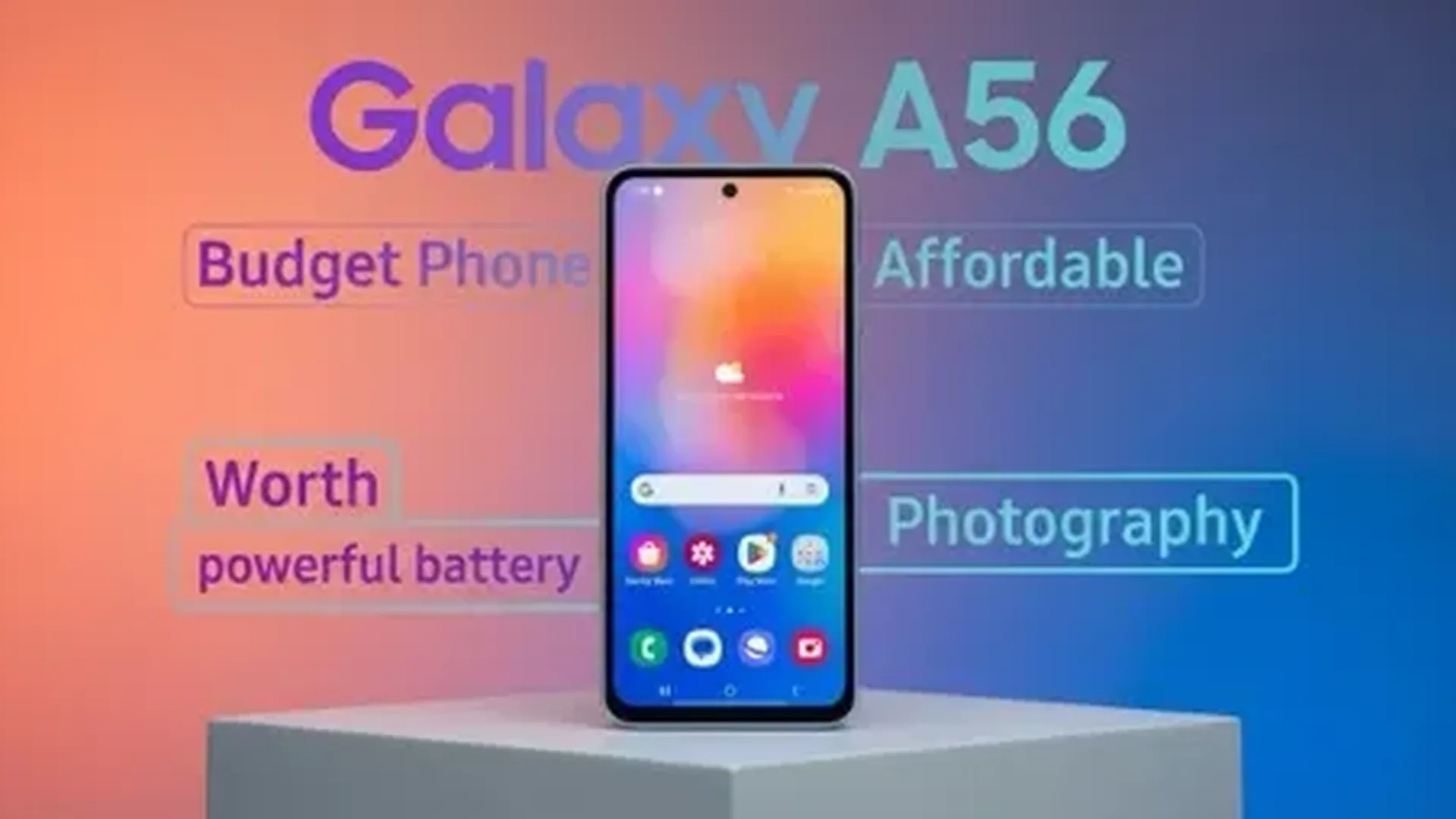
Yes, Samsung isn't Chinese, but the Galaxy A56 directly competes with Chinese budget phones. At $499, it delivers 6.7″ AMOLED 120Hz, Exynos 1580, 8GB RAM, 50MP+12MP+5MP cameras, 5000mAh/45W charging, and 6 years of updates. It was the first phone shipping with One UI 7 and sets the benchmark Chinese phones must beat.
🎯 5. Nothing Phone (3) — The Different One
Nothing (London-based but Chinese-manufactured) continues delivering the most distinctive design in the market with the Glyph Interface. The Phone (3) brings Nothing OS 3 over Android 16, upgraded camera system, Snapdragon 8s Gen 4, and the signature LED system on the back. Perfect for those wanting something different from the crowd, at a price that won't break the bank.
⚡ 6. Xiaomi Mix Flip 2 — Massive Battery in Flip Form
According to 9to5Google, the Xiaomi Mix Flip 2 packs the largest battery of any foldable flip on the market — even beating Samsung's new foldables. For those wanting a flip phone without constant battery anxiety, this is the top choice.
🌍 7. Realme GT 7 Pro — The Sleeper Hit
Realme continues delivering exceptional value in European markets. The GT 7 Pro brings Snapdragon 8 Elite Gen 5, 6.78″ 1.5K AMOLED display with 120Hz, triple camera with periscope zoom, and 6,000mAh+ battery with 100W charging, all priced significantly below competitors. It's the phone you won't see in ads but every tech enthusiast will recommend.
🇲🇴 8. Xiaomi 15S Pro — The XRING Debut
In May 2025, Xiaomi unveiled its first phone with an in-house chip: the XRING O1. According to 9to5Google, this was Xiaomi's "Tensor moment" — when they stopped relying exclusively on Qualcomm. The 15S Pro uses XRING O1 as a co-processor alongside Snapdragon, dramatically improving photo processing and AI tasks.
📉 9. POCO F7 Pro — Best Under $400
Xiaomi's sub-brand continues delivering incredible value. The POCO F7 Pro comes with flagship chipset, 120Hz AMOLED display, large battery with fast charging, and decent cameras at a price that makes everything else seem overpriced. For those who don't need Leica cameras and premium materials, it's nearly equivalent in daily use.
📡 10. Honor Magic8 Pro — AI First
Honor (former Huawei sub-brand, now independent) has invested heavily in AI. The Magic8 Pro offers on-device AI for translation, text summarization, AI photography, and Magic Portal for drag-and-drop search. With Snapdragon 8 Elite and MagicOS, it provides Google Services (unlike Huawei) and represents an excellent choice for global markets.
💰 Pricing and Global Availability
According to Counterpoint Research (via 9to5Google), in Europe, companies like Realme, Xiaomi, Oppo, Vivo, Honor, and Motorola dominate sales in phones under $250. But trends are shifting: Q4 2025 saw global average smartphone prices exceed $400 for the first time.
💶 Global Price Estimates
| Model | Category | Price from |
|---|---|---|
| OnePlus 15 | Flagship | ~$900 |
| Xiaomi 17 Pro Max | Premium Flagship | ~$1,200 |
| Huawei Pura 80 Pro | Premium Flagship | ~$1,400 |
| Nothing Phone (3) | Upper Mid-range | ~$600 |
| Xiaomi Mix Flip 2 | Foldable | ~$1,000 |
| Realme GT 7 Pro | Value Flagship | ~$600 |
| Xiaomi 15S Pro | Flagship | ~$800 |
| POCO F7 Pro | Budget Flagship | ~$400 |
| Honor Magic8 Pro | Flagship | ~$900 |
⚠️ Prices are estimates for global markets.
🎯 Which One Should You Choose?
The answer depends on your budget and priorities. Want the best overall value? The OnePlus 15 is the safest bet. Need the best camera? Wait for the Xiaomi 17 Ultra. Shopping under $400? The POCO F7 Pro delivers flagship performance at an unbeatable price.
What matters most is that Chinese phones are no longer "compromises." They're often the best choice — especially if you're not locked into Samsung or Apple ecosystems.