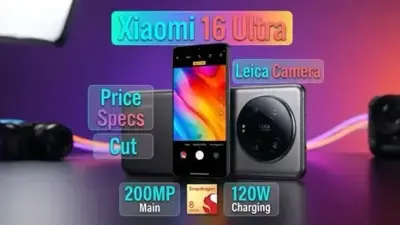


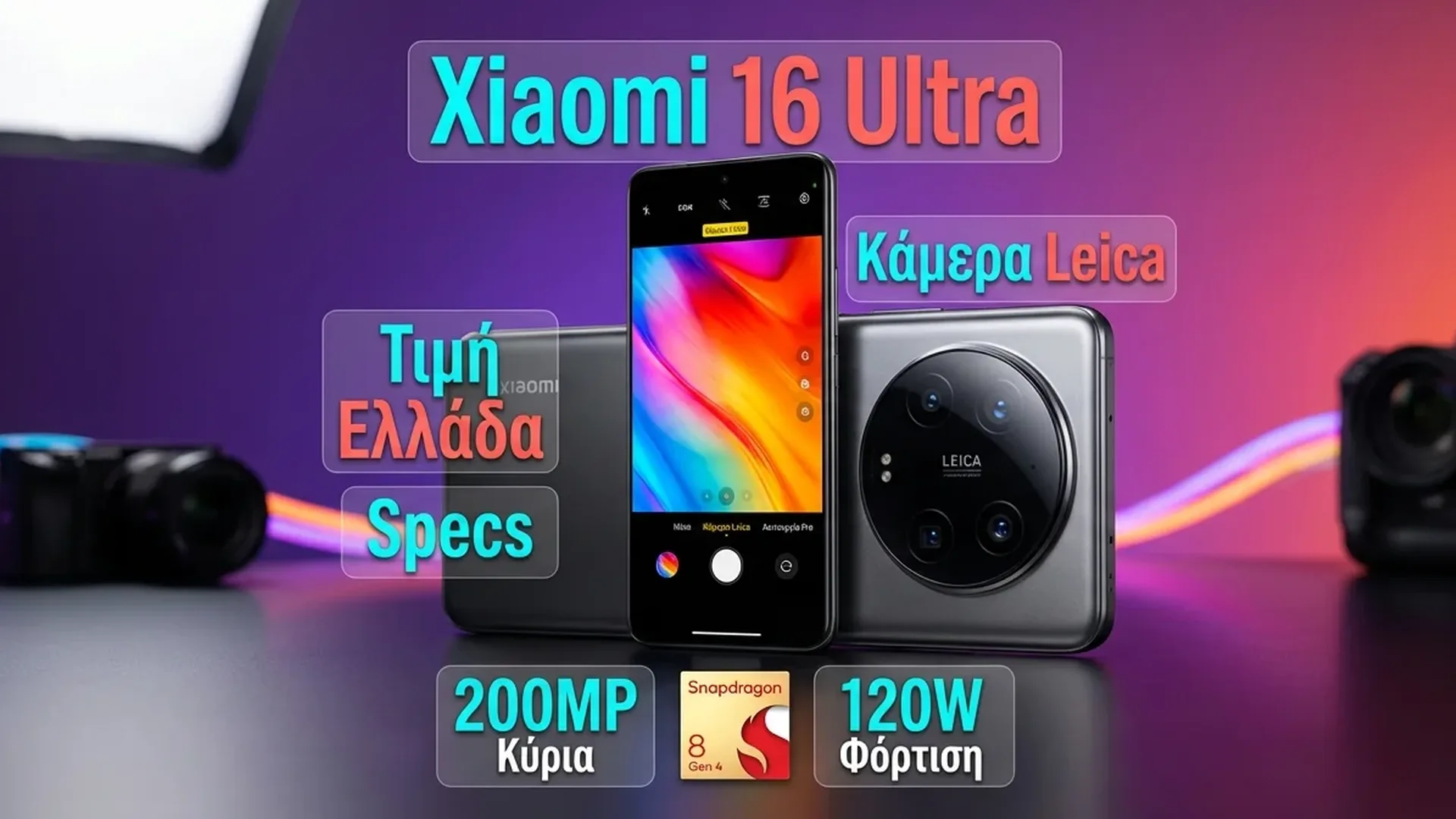
Searching for the "Xiaomi 16 Ultra"? Stop. It doesn't exist. Xiaomi pulled a fast one and jumped straight from the 15 series to the 17 series, skipping 16 entirely. No typo, no mistake — just a deliberate decision that left thousands of buyers confused and searching for a phone that was never made.
📖 Read more: Xiaomi 17 Ultra Leica: Camera Review 2026
🔢 Why Xiaomi Skipped the Number 16 Entirely
September 2025: Xiaomi announced the Xiaomi 17 series — jumping directly from 15 to 17 without ever releasing a "Xiaomi 16." This wasn't an oversight. Chinese companies sometimes skip numbers they consider unlucky, or make strategic decisions to leapfrog competitors. We've seen this before: OnePlus went from 3T to 5, Apple never made an iPhone 9.
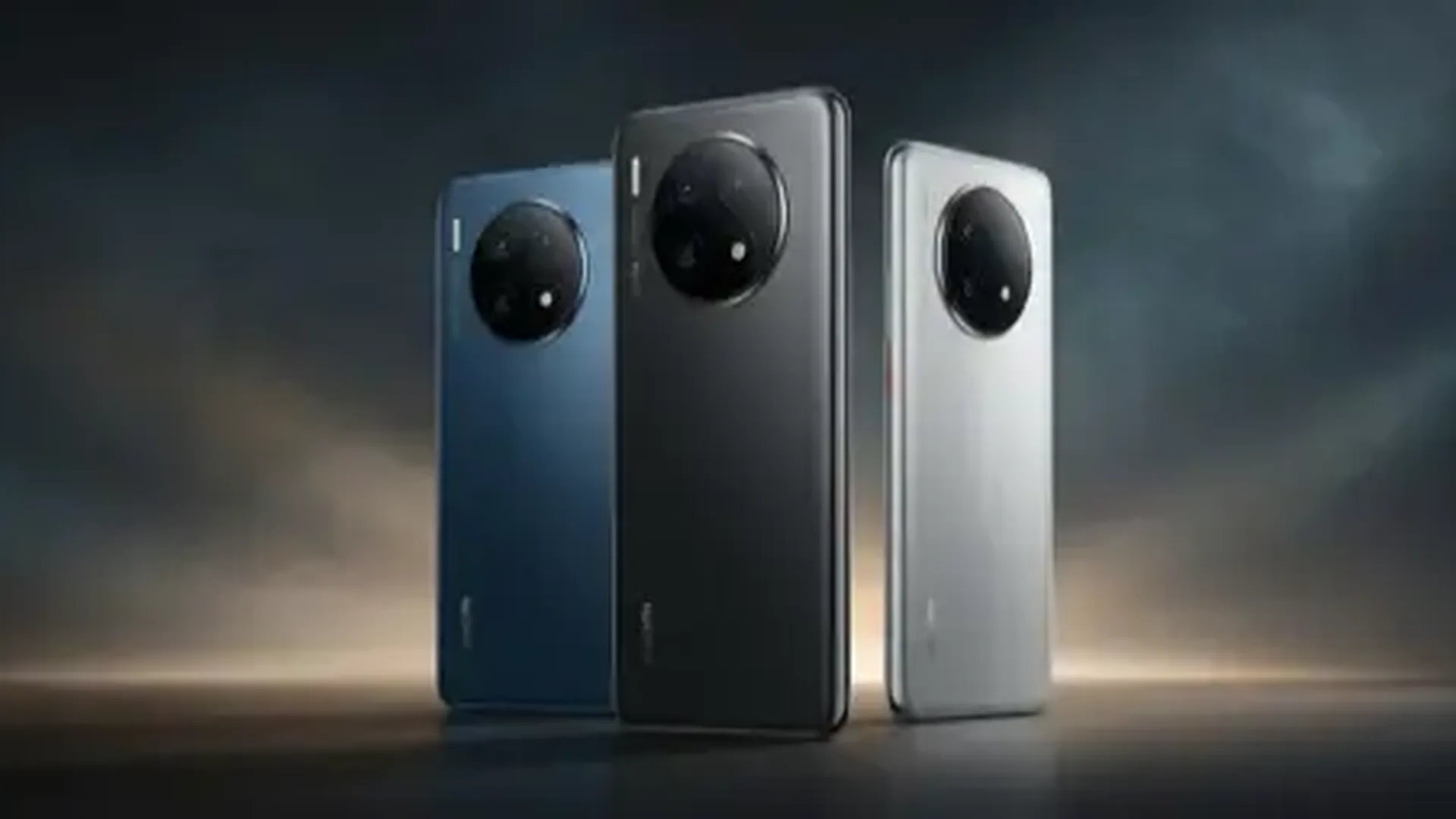
The move means if you want the real successor to the Xiaomi 15 Ultra, you need to look at the Xiaomi 17 series — specifically the upcoming Xiaomi 17 Ultra.
📱 Xiaomi 15 Ultra: The Baseline We're Comparing Against
To understand what's coming next, we need to remember what the Xiaomi 15 Ultra delivered when it launched in February 2025. Impressive phone: Leica camera partnership, Snapdragon 8 Elite, silicon-carbon (Si/C) battery, 2K AMOLED 120Hz display, and HyperOS 2 on Android 15.
The camera was the star: 50MP 1-inch main sensor, 50MP periscope telephoto with 5x zoom, 50MP ultrawide, and a "Leica Authentic" mode that reproduced the characteristic warm tones of Leica's signature look. Pricing hovered around €1,200-1,400 in European markets.
🚀 Xiaomi 17 Series: The breakthrough That Rewrote the Rules
The Xiaomi 17 series launched in China in September 2025 with three models: Xiaomi 17, Xiaomi 17 Pro, and Xiaomi 17 Pro Max. According to 9to5Google, the series broke sales records — the 17 Pro Max set first-day sales records while Xiaomi saw a 20% year-over-year increase in flagship phone sales.
What made the 17 series so popular? Two things:
- Snapdragon 8 Elite Gen 5 — Qualcomm's newest and most powerful processor, with significantly improved AI performance and energy efficiency
- Magic Back Screen — a 2.66-inch OLED screen built into the camera area, something revolutionary for non-foldable phones
The back screen isn't entirely new for Xiaomi — the Mi 11 Ultra had a small 1.1″ display on the back. But this time, the screen is much larger, extends to the cameras (like the Galaxy Z Flip's cover screen), and can show clock, widgets, notifications, and work as a camera viewfinder. Xiaomi called this feature "Magic Back Screen" and committed to improving it further, with an upcoming update for real-time translation on the back display.
💡 Design Inspiration
Xiaomi didn't hide that it took inspiration from Apple — the camera bar on the back strongly resembles the iPhone 17 Pro. However, it added something Apple doesn't have: a full back screen above the cameras.
🔮 Xiaomi 17 Ultra: What We're Expecting
While Xiaomi hasn't officially announced the Xiaomi 17 Ultra yet (February 2026), previous years' patterns show the Ultra edition launches 2-4 months after the base series. Based on leaked specs and company patterns, here's what we expect:
🧠 XRING O1: Xiaomi's In-House Chip Revolution
A crucial piece of the puzzle is the XRING O1 — the first chip designed by Xiaomi itself. Unveiled in May 2025 alongside the Xiaomi 15S Pro and Pad 7 Ultra, in a move compared to Google's "Tensor moment."
The XRING O1 isn't a Snapdragon replacement SoC — it functions as a co-processor, specifically designed for image processing and AI tasks. In the Xiaomi 15S Pro, it noticeably improved night photography, HDR video, and real-time image processing. The Xiaomi 17 Ultra will likely use an evolved version of this chip alongside the Snapdragon 8 Elite Gen 5 for even better camera performance.
📸 The Camera System: Leica Everywhere
The Xiaomi × Leica partnership started with the Xiaomi 12S Ultra (2022) and has evolved with each generation. In the 15 Ultra, Leica added its signature to every shot — warm tones, natural bokeh, and exceptional dynamic range. For the 17 Ultra, rumors point to:
- Main 200MP sensor or upgraded 50MP 1″ with pixel binning
- Periscope telephoto with 10x optical zoom (upgraded from 5x)
- 50MP ultrawide with autofocus
- Enhanced night photography via XRING O1 co-processor
- Leica "Authentic" and "Vibrant" modes in 8K/30fps video
If Xiaomi manages to implement 10x optical zoom, it will surpass both the Galaxy S26 Ultra (stuck with the same camera system for years) and the Pixel 10 Pro. Combined with Leica color profiles, it could be the best camera in an Android smartphone for 2026.
🖥️ HyperOS 3 & Android 16 Integration
In September 2025, Xiaomi officially announced the Android 16 upgrade timeline via HyperOS 3. The new OS version began development in October 2025, with a compatibility list including dozens of models.
HyperOS 3 brings significant changes compared to HyperOS 2: improved AI assistant, on-device generative AI for photo editing, cross-device connectivity (phone-tablet-laptop-car), and enhanced power management. The Xiaomi 17 Ultra will ship with HyperOS 3 out of the box.
💰 Pricing in Greece: What to Expect
Xiaomi's European pricing strategy follows a consistent pattern: Ultra models cost significantly less than competing Samsung and Apple devices, but they're no longer cheap. The Xiaomi 15 Ultra launched around €1,200-1,400 in Europe. For the 17 Ultra, we expect:
💶 Expected Greece Pricing (estimate)
| Model | RAM/Storage | Price Estimate |
|---|---|---|
| Xiaomi 17 Ultra | 12/256GB | ~€1,299 |
| Xiaomi 17 Ultra | 16/512GB | ~€1,449 |
| Xiaomi 17 Ultra | 16GB/1TB | ~€1,599 |
| Galaxy S26 Ultra 256GB | 12/256GB | €1,399 |
⚠️ Prices are estimates based on Xiaomi's pricing patterns. Not officially announced.
Xiaomi remains more competitive than Samsung on price. At €1,299 you get Leica cameras, XRING co-processor, 120W charging, and Magic Back Screen — features Samsung doesn't offer even in the €1,399 S26 Ultra.
⚔️ Xiaomi 17 Ultra vs The Competition
The flagship Android market in early 2026 is more competitive than ever. Here's how the expected Xiaomi 17 Ultra stacks up:
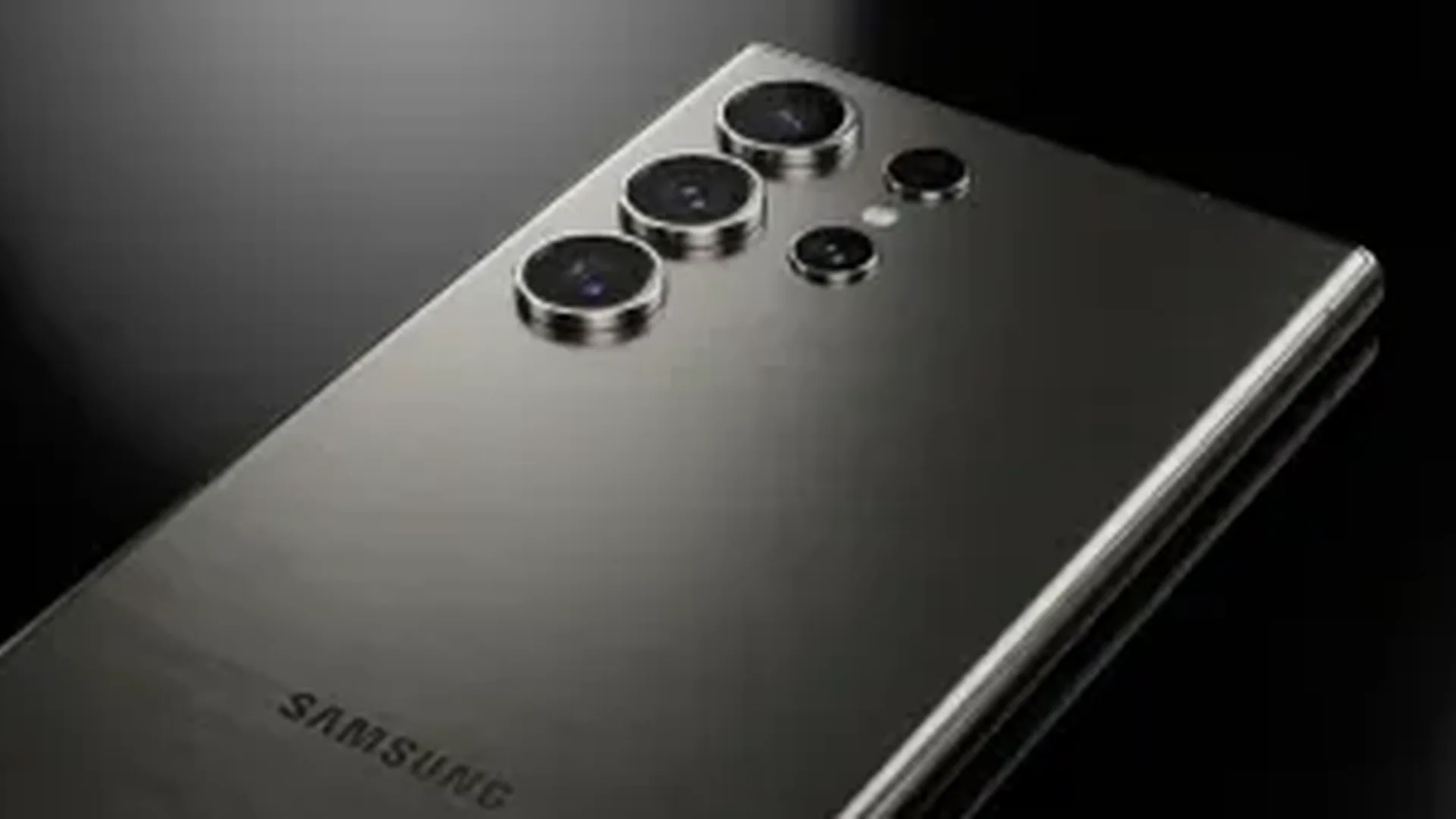
Against the Samsung Galaxy S26 Ultra (€1,399), Xiaomi has advantages in cameras (Leica tuning + likely 10x zoom vs the same sensors Samsung has used since the S22), charging (120W vs 45W), and battery. Samsung wins on software ecosystem, update policy (7 years), and brand recognition in Greece.
Against the OnePlus 15 ($900-1,000), Xiaomi positions itself higher in price but offers Leica cameras and more premium design. The OnePlus 15 has a massive 7,300mAh battery and excellent performance, but the camera isn't on the same level.
Against the Google Pixel 10 Pro, Xiaomi offers better hardware across the board, but the Pixel delivers clean Android 16 experience, 7 years of updates, and the best computational photography on the market thanks to the Tensor G5.
🇬🇷 Is the Wait Worth It in Greece?
If you're a camera enthusiast who wants the best possible zoom on Android, waiting for the Xiaomi 17 Ultra is worth it. The Leica partnership + XRING co-processor + likely 10x optical zoom creates a photography system no one else can match at this price.
If you want a complete flagship now, your best options are the Galaxy S26 Ultra (February 2026) or OnePlus 15 (already available). If you can wait 2-3 more months, the Xiaomi 17 Ultra might prove to be the year's best buy.
One thing is certain: stop searching for "Xiaomi 16 Ultra" — it doesn't exist and never will. The real successor is the Xiaomi 17 Ultra, and judging by the record sales of the 17 series, Xiaomi is preparing something impressive.