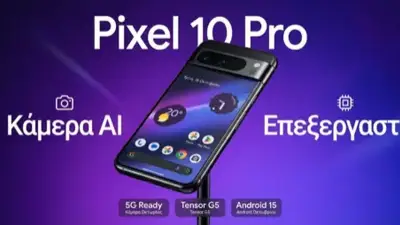


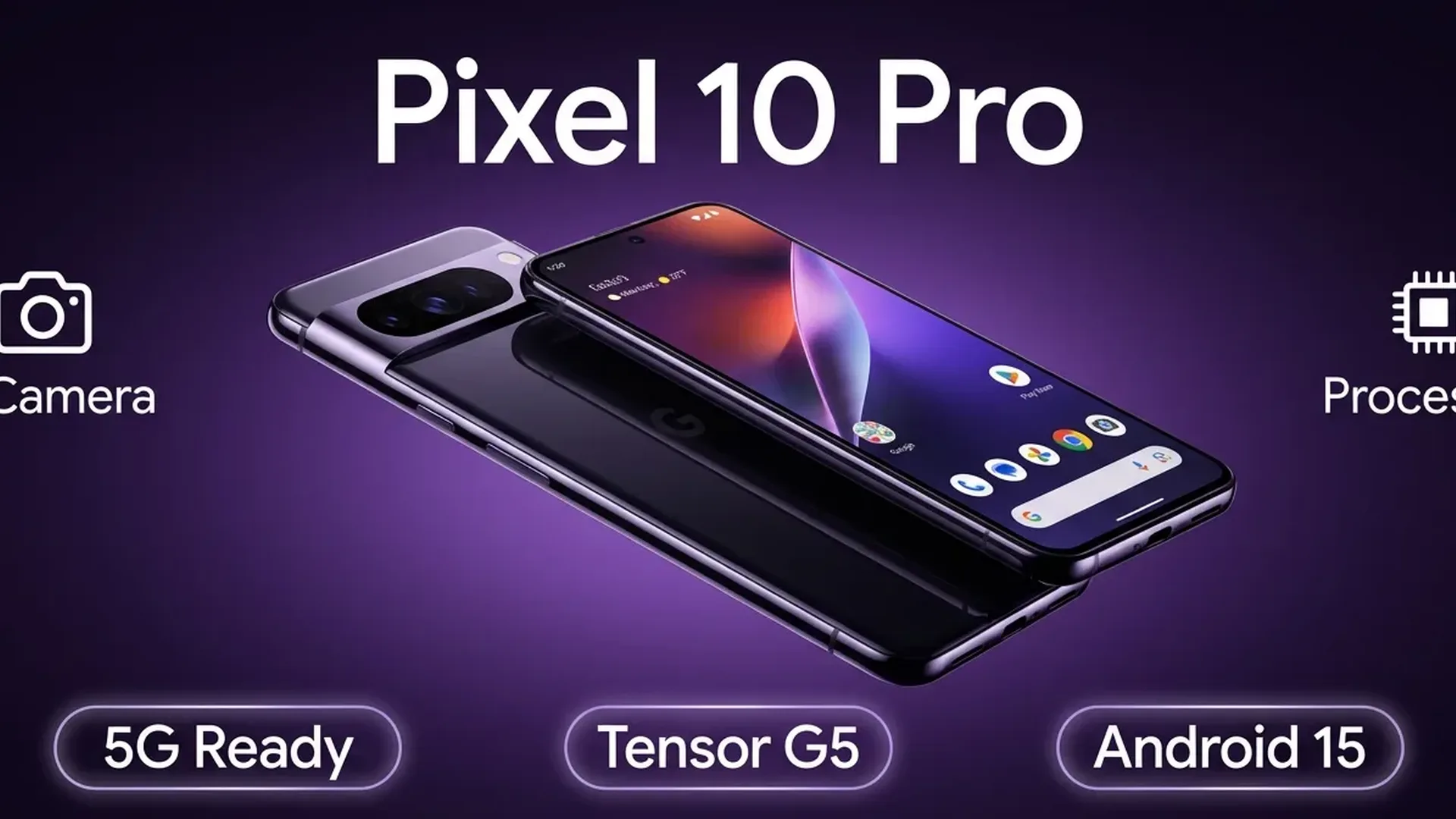
The Google Pixel 10 Pro was released in August 2025 featuring the new Tensor G5 processor, designed entirely by Google and manufactured by TSMC on a 3nm process. According to Android Police, which gave it a score of 9/10, it's “an excellent phone lineup” — however, comparing it with the competition (especially the Samsung Galaxy S26 series) deserves a deeper look.
📱 Design & Display
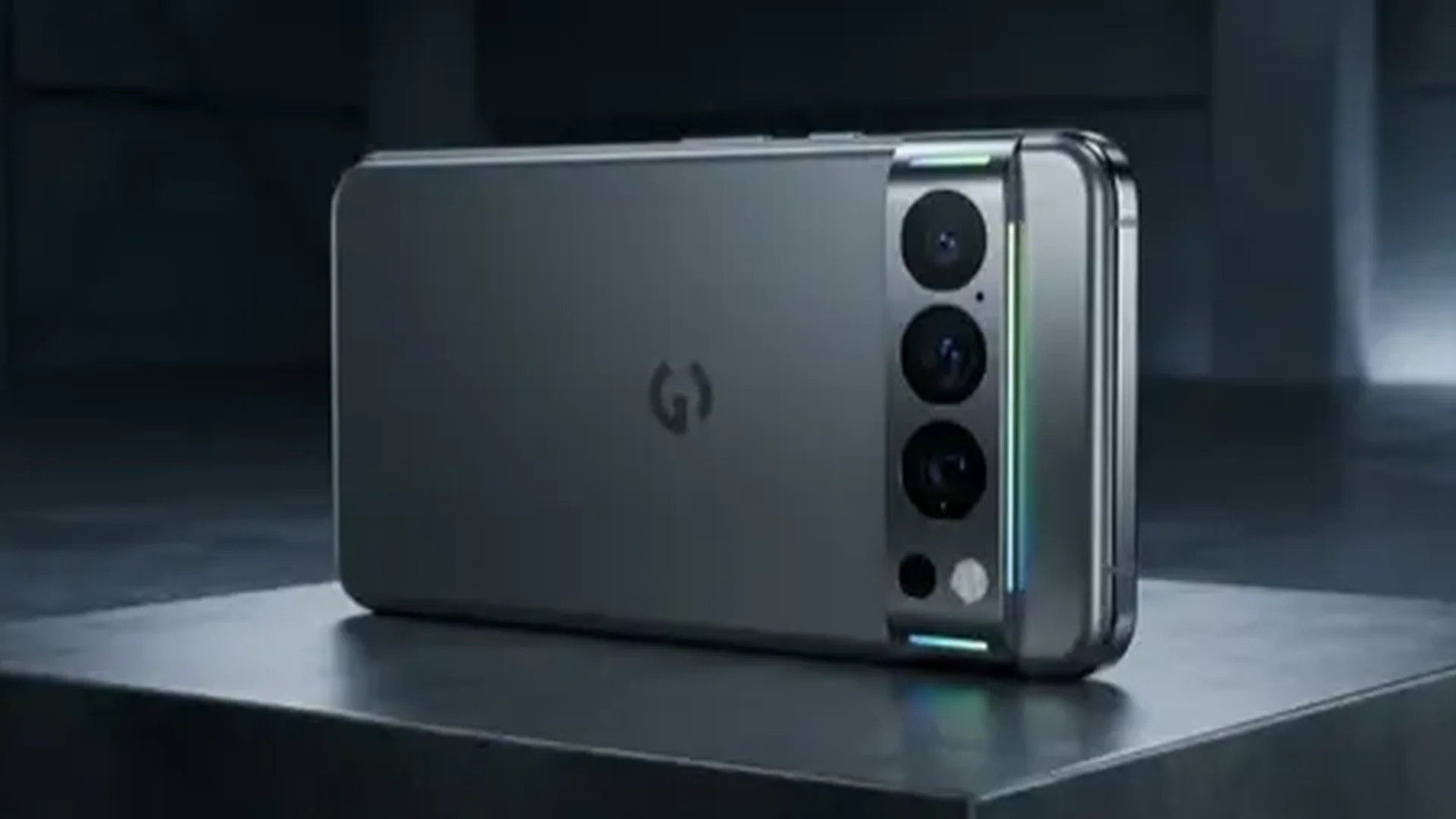
If you're coming from a Pixel 8 or older, the Pixel 10 Pro will feel both familiar and upgraded. According to Android Police, the iconic camera visor has become a “stadium-shaped island,” giving the phone a more modern aesthetic. Coming from a Pixel 9 Pro though? The design is nearly identical.
The Super Actua display (6.3″ on the Pro, 6.8″ on the Pro XL) offers 2992 x 1344 resolution, 120Hz refresh rate, HDR support, and a peak brightness of 3,300 nits — a small but noticeable upgrade from the Pixel 9 Pro's 3,000 nits. The build includes Corning Gorilla Glass Victus 2 on front and back, with IP68 certification.
An important note: Google leaves 120Hz disabled by default. According to the reviewer, “it makes the phone behave really poorly” — you need to go into Display Settings and manually enable Smooth Display. It's a mystery why Google doesn't enable it out of the box.
⚡ Tensor G5: Enough for a Flagship?
This is where things get interesting. The Tensor G5 is the first fully Google-designed chipset, manufactured on 3nm by TSMC. It uses overclocked cores based on the Tensor G4, along with a new PowerVR GPU — which doesn't support ray tracing, a disappointment for hardcore gamers.
According to benchmarks reported by Android Police, the Tensor G5 compared to the Qualcomm Snapdragon 8 Elite (used in the Galaxy Z Fold 7) shows lower frame rates but more consistent performance — it doesn't overheat, steadily uses 10% battery during a 20-minute stress test, and doesn't throttle. In short, it knows its limits.
In daily use, you won't notice any issues. Games run smoothly, apps open quickly, calls sound excellent, and spam detection works fantastically. Unless you're playing Genshin Impact for hours at max settings, you'll be very satisfied.
📸 Camera: The Pixel's Timeless Strength
The camera is where the Pixel always stands out, and the 10th generation is no exception. The triple camera system includes:
- 50MP main camera with excellent depth of field
- 48MP ultrawide with Macro Focus
- 48MP telephoto 5x with new OIS (Optical Image Stabilization)
- 42MP selfie with Dual PD
According to Android Police, “it's hard to find weaknesses” in the camera. Photos have rich, natural colors, the 5x zoom captures impressive detail, and the Google Photos suite makes editing a breeze. Minor weaknesses: white balance can be off in certain conditions, and the ultrawide camera has slightly excessive contrast.
Two new AI features stand out: Pro Res Zoom, which uses AI to enhance zoom beyond 30x (and is “amazingly effective”), and Camera Coach, which gives tips in real time. However, the Coach is fairly basic — it tells you to switch to portrait or get closer, which can feel “almost insulting” according to the reviewer. It requires internet, so it won't work without a signal.
🤖 AI Features: Useful or Just Marketing?
Google wants you to see the Pixel as a “delivery system for Gemini” — artificial intelligence everywhere. The reality? According to Andy Boxall of Android Police, “I don't find them useful in my daily life.” It's not just Google's fault — he says the same about Samsung Galaxy AI and Apple Intelligence.
Daily Hub is supposed to show smart updates. In practice? "It shows me the weather, and sometimes one or two appointments. I doubt it even works." Magic Cue monitors your actions and provides proactive suggestions — but only in Gmail, Messages, Calendar, Keep, and Pixel Screenshots. If you use WhatsApp, it's useless.
The photography AI features (Magic Eraser, Sky Filters, Pro Res Zoom) are clearly more useful. But the daily AI assistants? They're still searching for their reason to exist.
🔋 Battery & Charging
The Pixel 10 Pro XL features a 5,200mAh battery with 45W wired and 25W Qi2 wireless charging. Importantly, it includes magnets for Qi2, so it works with both Google Pixelsnap and Apple MagSafe accessories. The smaller Pro supports 30W wired charging.
According to tests: 50% charge in 30 minutes, full charge in 70 minutes. A 30-minute YouTube video at 1440p and full brightness drains just 4% battery. Battery life averages 4-5 hours of screen-on time, which is moderate — comparable to the Galaxy S25 Ultra, but lower than the impressive OnePlus 13.
Note: the charger is not included in the box, and the Pixel 10 is quite “picky” with third-party chargers. According to the reviewer, it refused to charge properly with an Anker Prime 160W, but worked fine with a Twelve South PlugBug.
📊 Pixel 10 Pro vs Samsung Galaxy S26: Comparison
The big question: Pixel or Samsung? Let's look at the key specs:
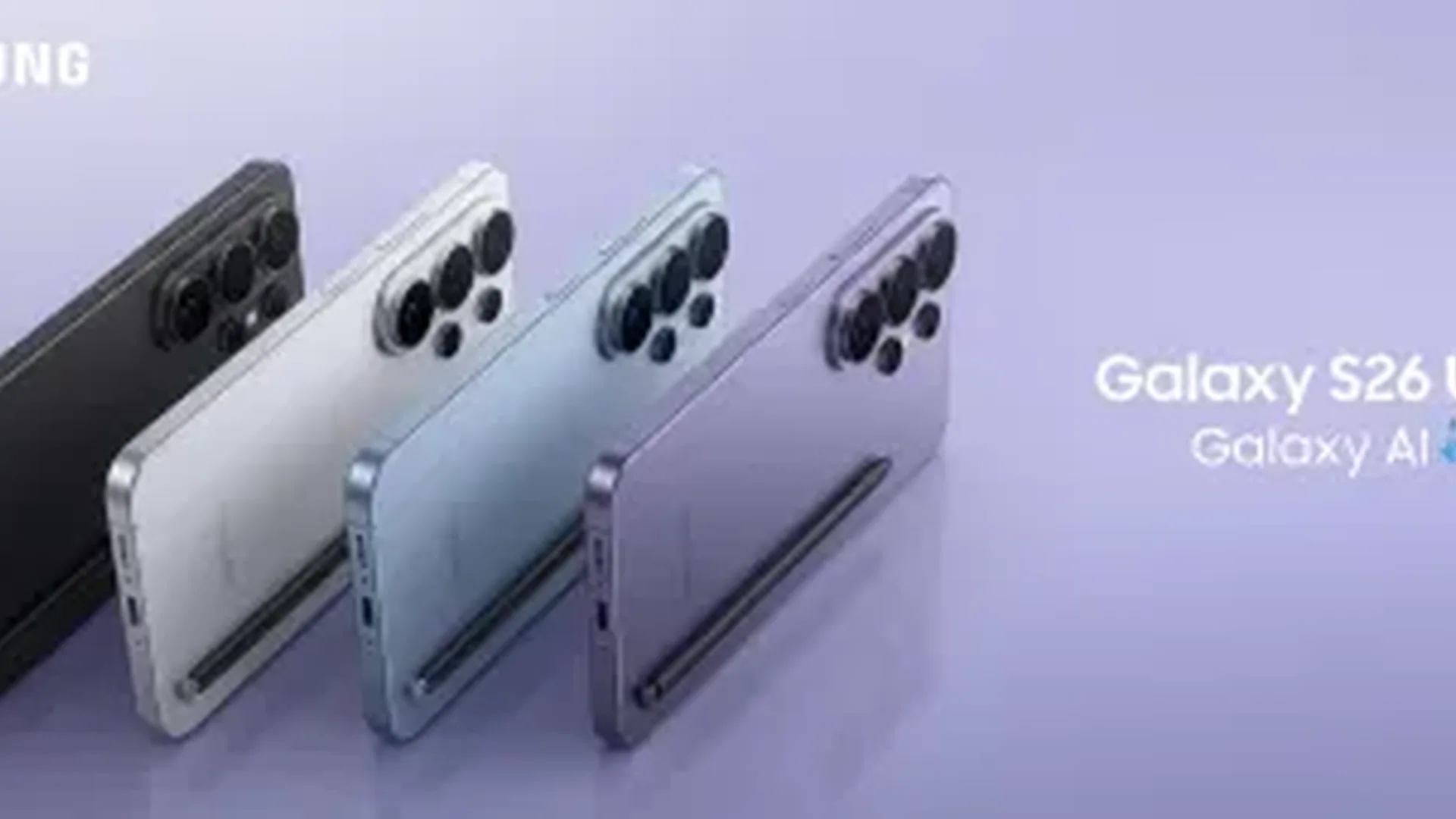
Pixel 10 Pro vs Galaxy S26 Ultra
| Feature | Pixel 10 Pro | Galaxy S26 Ultra |
| Processor | Tensor G5 (3nm) | Snapdragon 8 Elite 2 |
| RAM | 16GB | 16GB |
| Main Camera | 50MP | 200MP |
| AI Features | Gemini, Pro Res Zoom | Galaxy AI, Sketch to Image |
| Wireless Charging | 25W Qi2 + magnets | 15W Qi |
| Updates | 7 years | 7 years |
| Price (USA) | $1.000 | $1.300 |
Samsung wins in raw performance (Snapdragon 8 Elite 2 vs Tensor G5) and camera megapixels (200MP vs 50MP). But in practice, Pixel photos are often better thanks to AI processing. Google wins on price ($300 cheaper), Qi2 wireless charging with magnets, and clean software without bloatware.
According to the reviewer, "if you're looking for raw gaming power, look at Samsung or OnePlus. If you want the overall best smartphone experience, the Pixel 10 series won't disappoint."
💰 Pricing & Which One to Choose
The Pixel 10 lineup includes three models:
- Pixel 10: $800 — now with a telephoto camera, excellent value
- Pixel 10 Pro: $1,000 — the best quality-to-price ratio
- Pixel 10 Pro XL: $1,199 — larger 6.8″ display, same camera/SoC
According to Android Police, "instead of asking whether the Pro XL is worth it, the right question is whether any Pixel 10 is worth it — and the answer is an emphatic yes." Especially if you're new to the series, the fundamentals across all Pixel 10 models are excellent. If the Pro XL price is too high, get the Pro — you'll barely miss anything except some screen size.
Colors: Moonstone, Jade, Porcelain, Obsidian. Storage options: 256GB, 512GB, or 1TB.
✅ Pros & Cons
👍 Pros:
- Excellent camera and AI editing features
- Clean Android 16 with 7 years of updates
- Qi2 wireless charging with magnets (MagSafe compatible)
- Sleek design, IP68, Gorilla Glass Victus 2
- Competitive price ($1,000 vs $1,300 Galaxy S26 Ultra)
👎 Cons:
- Tensor G5 lags behind in raw performance vs Snapdragon 8 Elite
- GPU without ray tracing — disappointing for gamers
- 120Hz disabled by default
- AI daily features (Daily Hub, Magic Cue) quite weak
- Picky with third-party chargers
🏆 Final Verdict
The Pixel 10 Pro is an excellent smartphone for those who value camera quality, clean software, and the Google ecosystem. It's not the king of gaming nor the specs champion, but the overall user experience — from haptics to spam detection to Google Photos editing — is top-notch.
Compared to the Samsung Galaxy S26 series, the choice depends on your priorities. Performance & S-Pen = Samsung. Camera & clean software & price = Pixel. Both offer 7 years of updates, top-tier displays, and flagship build quality.
"Instead of asking whether the Pixel 10 Pro XL is worth it, the better question is whether any Pixel 10 is worth it. The answer is an emphatic yes, especially if you're new to the series."