

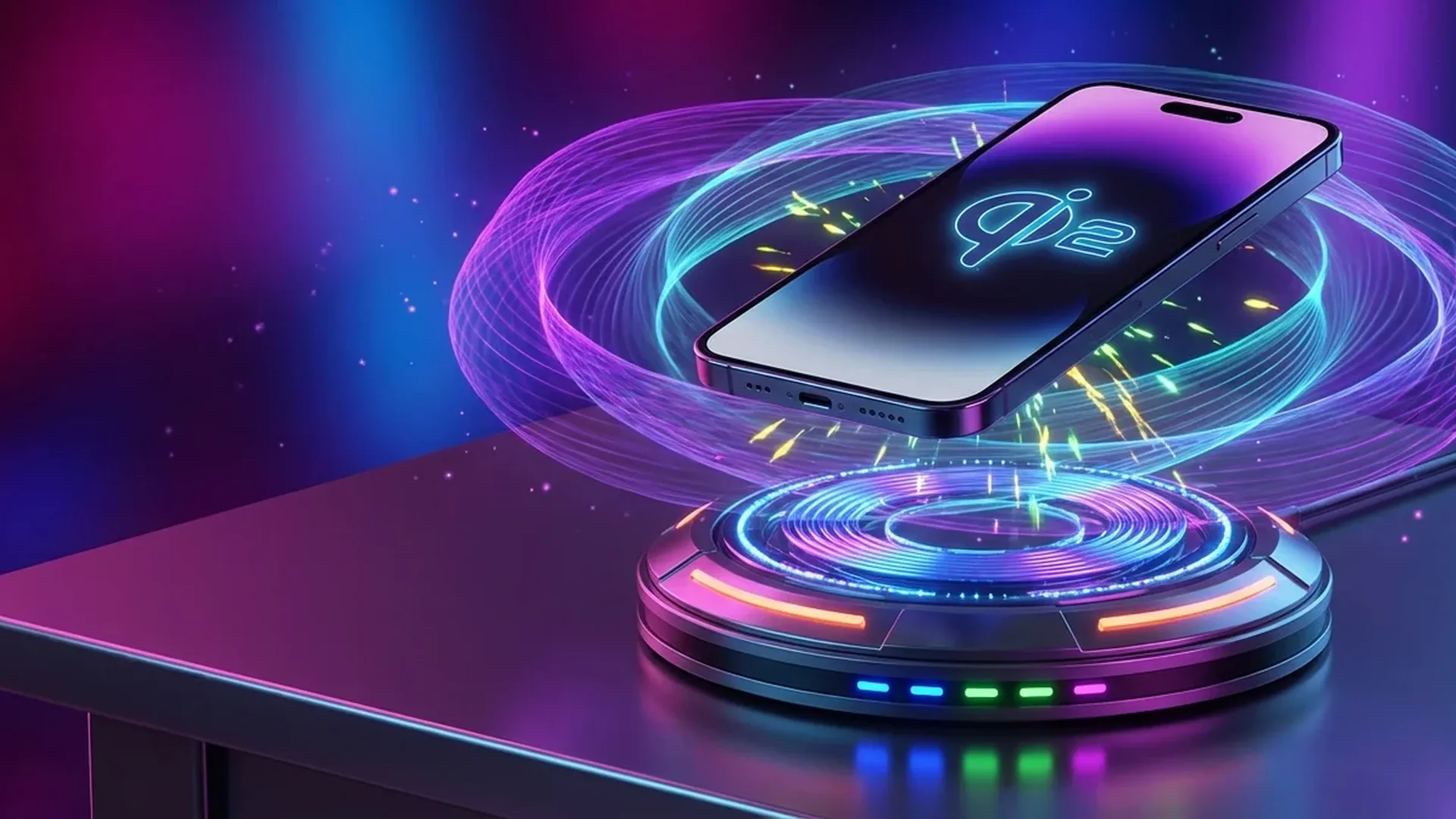
Wireless charging has been around on Android for years — but let's be honest: until now, it was mediocre. Slow, loose alignment, incompatibilities between brands. Qi2 changes everything, bringing magnets, speed, and — finally — a standard that actually works.
📖 Read more: Android Car Mount 2026: Best Phone Holders
⚡ What Is Qi2 (and Why It's Not Just “Qi Upgraded”)
Qi (pronounced “chee,” meaning “life force” in Chinese) is the wireless charging standard developed by the Wireless Power Consortium (WPC), first released in 2010. The initial version delivered just 5W — enough to charge a phone if you had patience... a lot of patience.
Qi2 isn't just a version bump. It's practically a new technology. The biggest change? The integration of the Magnetic Power Profile (MPP) — a magnet system based on Apple's MagSafe. Yes, Apple contributed its technology to the WPC, and this means that now all phones can use magnetic alignment — not just iPhones.
In practice, this means: you place your phone on the charger, the magnets “snap” it into the right position, and charging begins immediately at maximum speed. No more era of “wiggling the phone around until it catches.”
📊 The Evolution: From 5W to 25W
The evolution of Qi is a story of patience. It took nearly 15 years to reach decent speeds:
📈 Qi Version Timeline
25W may not sound impressive compared to Xiaomi advertising 120W wired charging. But there's a critical difference: 25W is stable, safe, and standardized. It's not proprietary, doesn't require a special power adapter, and works with chargers from every brand.
📱 Which Android Phones Support Qi2
This is the big question. The truth is that adoption in the Android world started slowly but is accelerating:
HMD Skyline (Jul. 2024) — The first Android phone with full Qi2 MPP. A mid-range device from Finnish HMD (formerly Nokia phones). It wasn't a bestseller, but it broke the ice.
Samsung Galaxy S25 series (Jan. 2025) — Samsung took an interesting approach: the S25 phones are “Qi2 Ready,” meaning they don't have built-in magnets but work fully with Qi2 via a magnetic case. A bit of a cheat, but at least support is there.
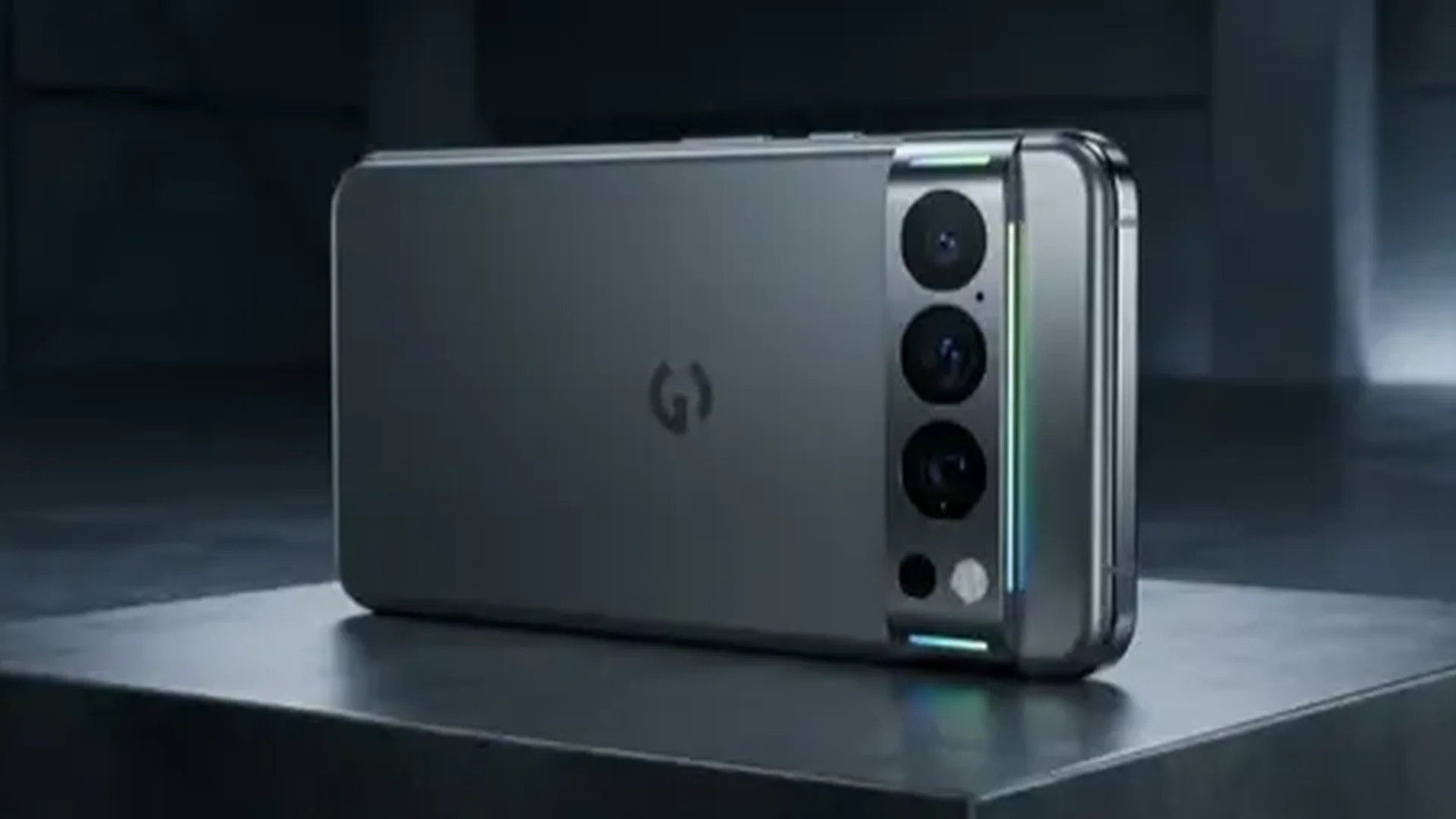
Google Pixel 10 (Aug. 2025) — Google went all-in. The Pixel 10 series is the first major Android lineup with built-in magnets for Qi2 MPP. No case needed. And the Pixel 10 Pro XL became the world's first device to support the new Qi2 25W standard — charging fast enough to be truly practical.
🧲 How It Works in Practice
If you haven't tried wireless charging with magnets, prepare to be surprised. The experience is fundamentally different from old Qi.
With classic Qi, you placed your phone on the charger and... hoped. If it wasn't in exactly the right position, charging was slow or didn't start at all. With Qi2 MPP, the magnets automatically align the coils — every time, perfectly. This means less wasted energy, less heat, faster charging.
But it doesn't stop there. The magnets mean the phone stays in place. This opens the door to:
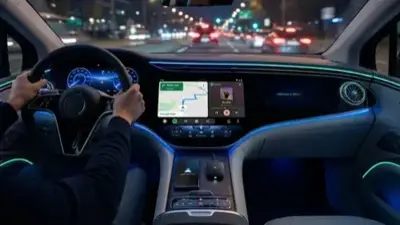
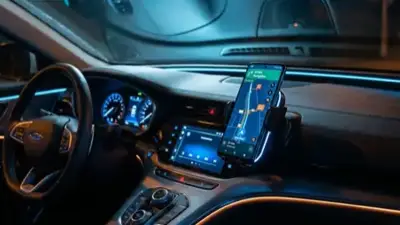
- Car mount accessories — snaps magnetically, charges simultaneously
- Desk stands — vertical or horizontal, never slides off
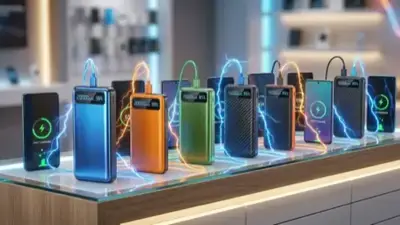
- Portable battery packs — stick to the back of the phone like MagSafe
- Wallets & accessories — magnetic wallets, ring stands, kickstands
Google even announced its own Pixelsnap accessory line — chargers, ring stands, and mounts designed specifically for the Pixel 10's magnets.
🤔 Qi2 vs Proprietary: Which Wins?
This is where the real debate begins. Many manufacturers (Samsung, Xiaomi, OnePlus, Huawei) use proprietary wireless charging that reaches 50W, 80W, and even 120W. Why should you care about Qi2's 25W?
The answer: interoperability. Proprietary standards only work with chargers from the same brand. Bought Samsung? You need a Samsung charger for full speed. Switched to Xiaomi? New charger. With Qi2, an Anker, Belkin, IKEA, or any certified charger works just as well with every Qi2 phone.
Additionally, proprietary protocols don't undergo the same safety tests. Heat, EMF radiation, Foreign Object Detection — all of these are rigorously tested in Qi2 certification. 25W with safety may prove better for your battery long-term than 80W without.
💡 Tip: Foreign Object Detection
Qi2 features improved Foreign Object Detection (FOD) — if there's a coin, key, or credit card between the phone and the charger, charging stops automatically to prevent overheating. Not all proprietary systems do this.
🔮 What to Expect in 2026-2027
The technology doesn't stop at 25W. The WPC is already working on upgrading the Medium Power standard to reach 200W — enough for laptops, drones, and electric bikes. Meanwhile, the Ki standard (upgraded to 2.2 kW in 2024) will bring wireless charging to kitchen appliances.
For smartphones specifically, here's what to expect in the coming years:
- Samsung will most likely add built-in magnets to the Galaxy S26 series
- Xiaomi and OnePlus are expected to follow suit in 2026
- 50W+ Qi2 speeds likely in future spec revisions
- Qi2 in wearables (watches, earbuds) — one charger for everything
- Integration in cars — Toyota and Lexus already have Qi, Qi2 will follow
🛒 Should You Buy a Qi2 Charger Now?
Short answer: yes, if you own or plan to buy a Pixel 10, Galaxy S25 (with case), or any Qi2-certified phone. Qi2 charger prices have dropped significantly — you can find reliable chargers for €20-€35.
If your phone doesn't support Qi2 but has classic Qi, Qi2 chargers are backwards compatible. It will charge normally, just without magnetic alignment. So you're not risking anything.
What you should watch out for: buy Qi2 Certified chargers, not generic “magnetic wireless chargers” from AliExpress. Certification ensures proper power output, FOD, and thermal safety. Brands like Anker, Belkin, Spigen, and ESR are safe choices.
"Qi2 is the first time wireless charging becomes truly reliable. Magnetic alignment and a universal standard were the missing pieces."
💡 Final Thoughts
Wireless charging on Android spent years as a gimmick — nice in theory, annoying in practice. With Qi2 and especially with built-in magnets in flagship Androids (starting with the Pixel 10), the technology finally reaches a point where it truly replaces the cable for most users.
25W charges a typical phone in about 1.5 hours, magnetic alignment eliminates placement issues, and accessories (car mounts, battery packs, stands) turn charging into a seamless experience. You won't throw away your cables just yet — but you'll use them a lot less.