

The digital euro is coming. Not today, not tomorrow, but within 2-3 years it will be part of our daily lives. But what exactly is it? And how will it affect the way we pay in Greece?
🌐 What Is the Digital Euro
The digital euro is an electronic form of the euro, issued directly by the European Central Bank. It is not a cryptocurrency, nor a stablecoin. It is regular euro, simply in digital form — like a banknote, but without the paper.
The key difference from money in your bank account? The money in the bank is the bank's promise to give you euros. The digital euro is a direct obligation of the ECB — like cash. This means zero bankruptcy risk.
❓ How Will We Use It
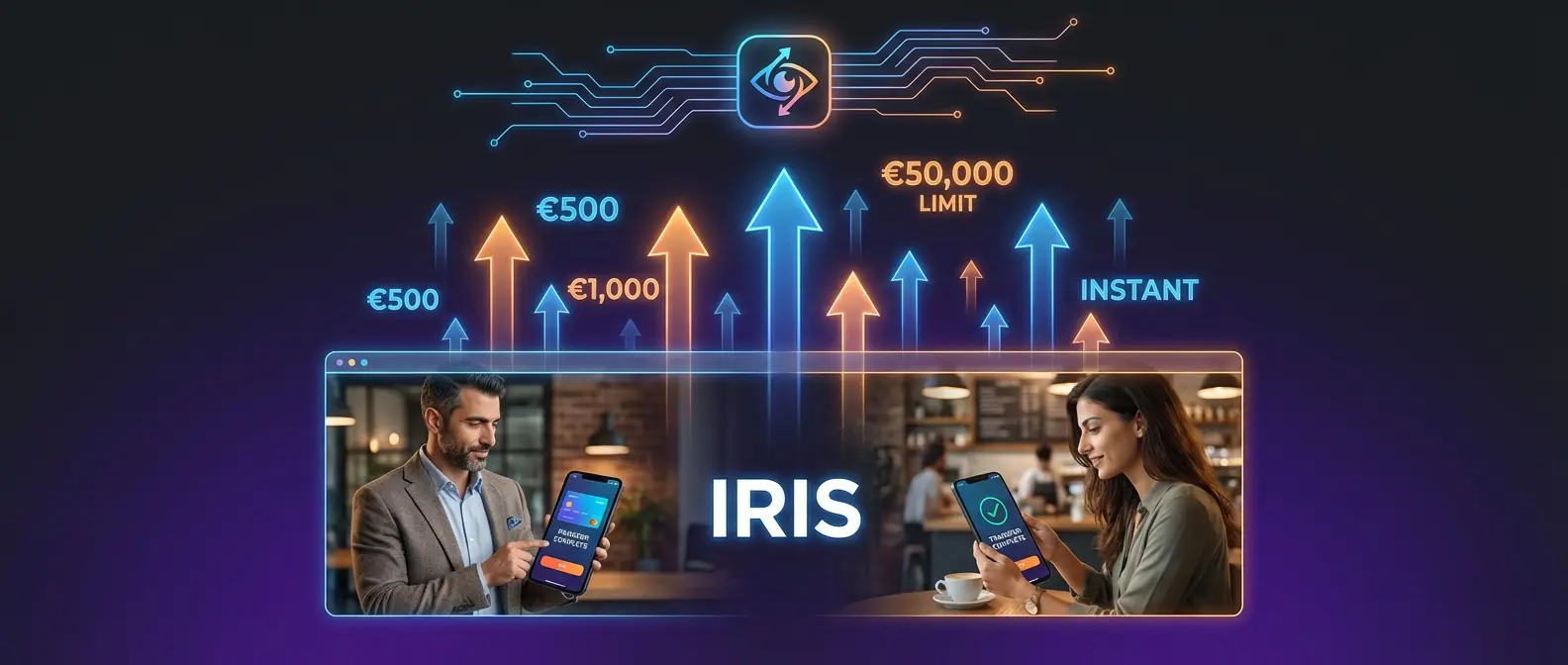
In practice, you will have a digital wallet on your phone. You will be able to pay at stores, online, or send money to friends — all with digital euro. The process will be similar to IRIS or Apple Pay, but the underlying asset will be central bank currency, not a bank deposit.
Importantly, it will also work offline. If you are in an area with no signal or the internet goes down, you can pay by bringing phones close together via NFC. This is crucial for Greece, with its many islands and remote areas.

👥 What Changes for Greek Consumers
For the average consumer, the changes will be gradual but significant. First, you will have an alternative to the Visa and Mastercard cards that dominate today. This means competition, and therefore likely lower fees for merchants.
Second, payments across the eurozone will become easier. Traveling to Germany or Italy? You pay with the same wallet, without currency exchange fees, without dependence on American payment networks.
Third, greater privacy for small transactions. For payments up to a certain threshold (likely €50-150 offline), there will be no central record. Like digital cash.
🟢 What Changes for Businesses
Greek businesses will be required to accept digital euro — it will be mandatory, just like cash. But the acceptance cost is expected to be lower than current card fees. For small businesses that currently pay 1.5-2.5% per transaction, this could mean significant savings.
Additionally, cross-border transactions will be simplified. A Greek company that sells in France will receive digital euros instantly, without intermediaries, without delays.

⏰ The Timeline
The ECB is in the preparation phase. The legislation is being discussed in the European Parliament and the Council — with some delays due to political disagreements. Realistically, we do not expect the digital euro to be in our hands before 2028-2029.
This does not mean we should wait idly. Greek banks are already preparing. IRIS is expanding. And the gov.gr Wallet keeps adding new features. When the digital euro arrives, the infrastructure will be ready.
🎯 Conclusion
The digital euro will not replace cash — it will complement it. It will give Greeks a European alternative to American payment networks, it will enhance privacy in small transactions, and it will reduce costs for businesses. It just requires a little more patience.
OnOff Finance
We analyze technological developments in the financial sector.