

🧩 What Exactly Is a Split Launch
From 2011 until today, Apple has followed a tried-and-tested playbook: every September, it introduces the entire new iPhone lineup — from the most affordable to the most expensive. Pre-orders open immediately, shipments begin within a week, and by Christmas, all models are available in every market.
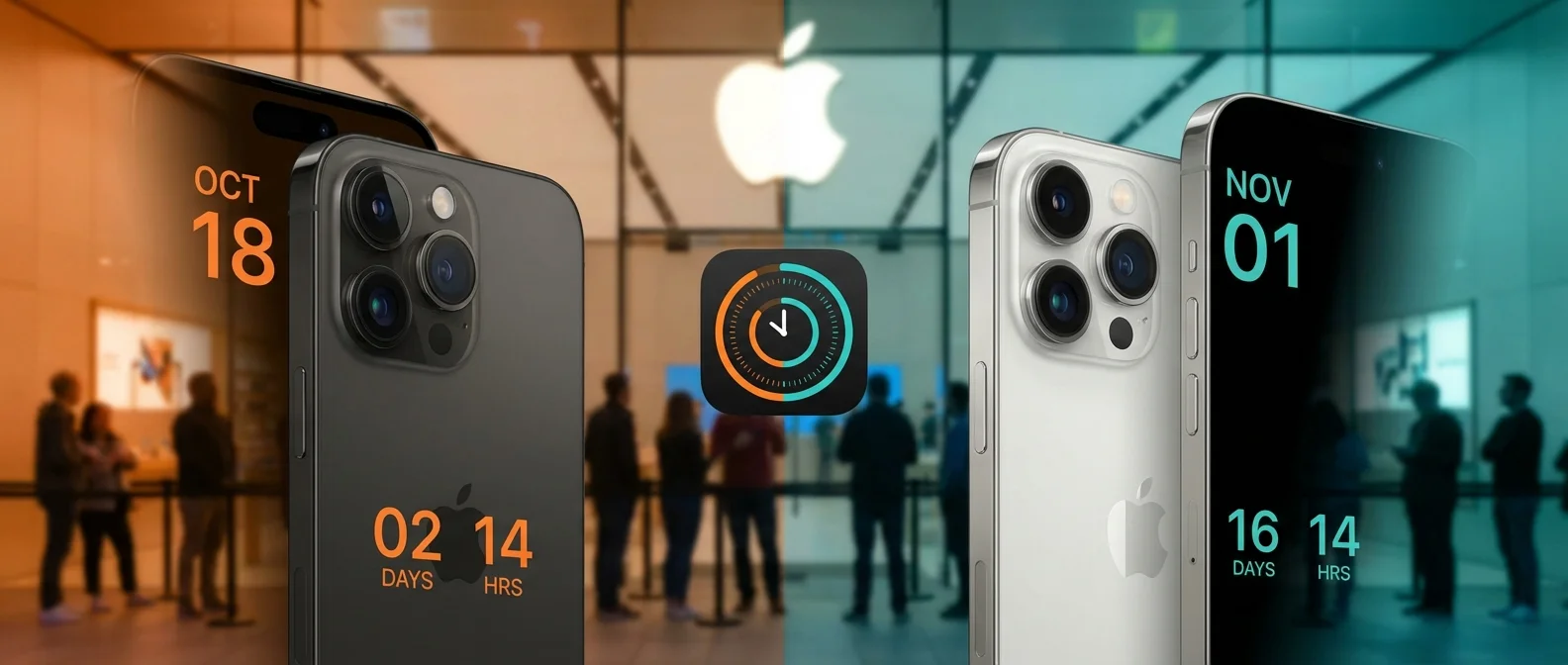
In 2026, that changes. According to reports from analyst Ming-Chi Kuo, Bloomberg, Nikkei Asia, and Mark Gurman (The Information), Apple is planning two separate release dates:
- September 2026: iPhone 18 Pro, iPhone 18 Pro Max, iPhone Fold
- Spring 2027: iPhone 18, iPhone 18e
This means if you're interested in the base iPhone 18, you'll have to wait 6 months longer than usual. If you want a Pro, nothing changes — it launches on schedule in September.
📉 Why Apple Is Breaking the Cycle
The decision isn't random. Behind the split launch lie multiple factors — technological, financial, and strategic.
1. 2nm Technology Is Expensive
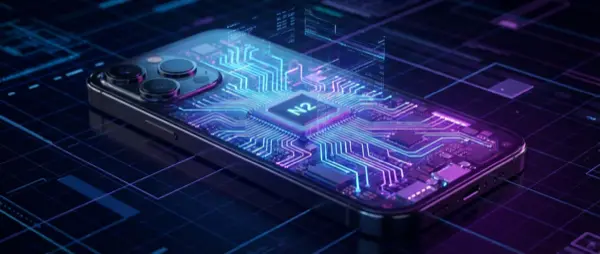
The iPhone 18 will be the world's first smartphones with a 2nm chip (TSMC N2 process). The A20 processor delivers approximately 15% faster performance and 30% better power efficiency, but it costs roughly 50% more to manufacture compared to current 3nm chips.
TSMC cannot yet produce enough 2nm wafers to supply the entire iPhone lineup simultaneously. By prioritizing Pro models — which carry higher profit margins — Apple ensures its most profitable products won't face shortages.
2. The iPhone Fold Needs the Spotlight
September also marks the launch of the first foldable iPhone. Apple wants all eyes on it. If it unveiled 5–6 models simultaneously, the Fold would get lost in the noise. With only three models at the fall event — Pro, Pro Max, and Fold — each product gets the time and attention it deserves.
3. The First-Gen iPhone Air Didn't Sell
There's another factor: the first-generation iPhone Air didn't sell as well as Apple had hoped. The second generation (iPhone Air 2) may be delayed until Spring 2027, or may not launch at all. This frees up space in the fall lineup but leaves a gap in the mid-range segment that Apple needs to manage carefully.
📅 What Launches and When
Let's put everything in order. Here's the complete release roadmap as we know it in February 2026:
September 2026 (Phase 1):
- iPhone 18 Pro — 6.27″, A20 Pro, variable aperture camera, 12GB RAM, ~$1,099
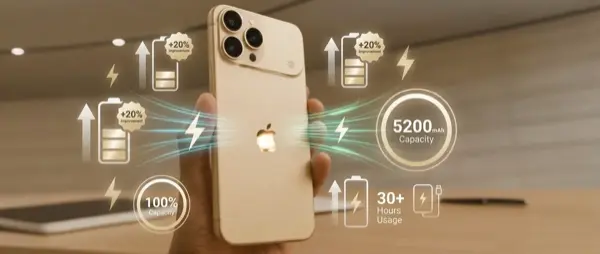
- iPhone 18 Pro Max — 6.86″, A20 Pro, 5,100–5,200 mAh, over 240g, ~$1,199
- iPhone Fold — 5.3"/7.6″ book-style, titanium, Touch ID, $1,800–$2,500
Spring 2027 (Phase 2):
- iPhone 18 — A20, 12GB RAM, 24MP selfie, ~$799
- iPhone 18e — A20, 12GB RAM, most affordable option
This makes Phase 1 the smallest fall iPhone launch since 2019, when Apple introduced only the iPhone 11, 11 Pro, and 11 Pro Max.
🤔 What This Means for You as a Consumer
Let's talk practically. What changes in your buying decision?
If You're Planning to Buy a Pro
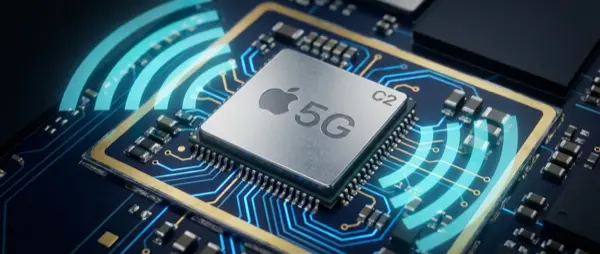
Nothing fundamentally changes. The iPhone 18 Pro and Pro Max launch normally in September, with pre-orders likely in the second week of the month. Prices are expected to remain at current levels: ~$1,099 for the Pro and ~$1,199 for the Pro Max. You'll get the A20 Pro 2nm chip, variable aperture camera, C2 modem with mmWave 5G, and 12GB RAM.
If You're Planning to Buy the Base iPhone 18
This is where things change. Instead of buying a new iPhone in September, you'll need to wait until March or April 2027. This means:
- If your current iPhone is in poor condition, you may need an interim solution
- The alternative is to pick up an iPhone 17 or 17e (prices will drop after September)
- If you can wait, it's worth it — you'll get a 2nm chip at an estimated price of ~$799
If You're Considering the iPhone Fold
The iPhone Fold is the most exciting — and most expensive — option. It launches in September alongside the Pro models. Priced at $1,800 to $2,500, it targets early adopters and tech enthusiasts. Keep in mind: first generation means potential teething problems — though Apple tends not to release products it doesn't consider mature.
📊 The Bigger Picture
The split launch isn't just a logistics decision. It's a sign that Apple is changing its philosophy. In recent years, the company has been moving in three directions simultaneously:
- Premiumization: Pro models are becoming even more premium, with technologies that never reach the base models
- Diversification: With Fold, Air, Pro, Pro Max, base, and “e” variants, Apple is trying to cover every market segment
- Component management: Supply chain management is becoming more complex — especially with custom 2nm chips, custom modems, and custom sensors
According to Nikkei Asia, Apple is targeting approximately 95 million total iPhone 18 sales. The split launch gives the company the ability to distribute demand across two waves, avoiding the supply chain bottlenecks that troubled previous launches.
⏳ Should You Wait or Buy Now?
This is the question on every consumer's mind. The answer depends on your situation:
Buy iPhone 18 Pro in September if: You want the best possible iPhone, you need a top-tier camera, and your budget is $1,099+. There's no reason to wait — it launches on schedule.
Wait until Spring 2027 if: You want the base iPhone 18 at ~$799. Your current iPhone still works well. You'll get the 2nm chip without the Pro premium.
Buy a discounted iPhone 17 if: You need a new iPhone in September but don't want to pay Pro prices. After the iPhone 18 announcement, iPhone 17 prices will drop.
🔮 Final Assessment
The iPhone 18 split launch isn't a crisis — it's an evolution. Apple recognizes that the smartphone market no longer needs 4–5 models launching simultaneously every September. Instead, it's staggering releases so each product gets its moment.
For the average consumer, the practical difference is simple: if you want a Pro, buy normally in September. If you want the base model, wait a little longer. Either way, the iPhone 18 generation promises the biggest upgrade in years — the wait is worth it, regardless of which phase you're buying in.
We'll keep this article updated as we approach September 2026. Stay tuned.