

Samsung just dropped the S26 series with fanfare and megapixel counts. Apple's response? They're quietly exploring something far more interesting than bigger numbers.
Fresh intel from the Asian supply chain suggests Cupertino is investigating multispectral imaging technology for future iPhone models. This isn't about cramming more pixels into the same space — it's about teaching the iPhone camera to see things human eyes can't detect.
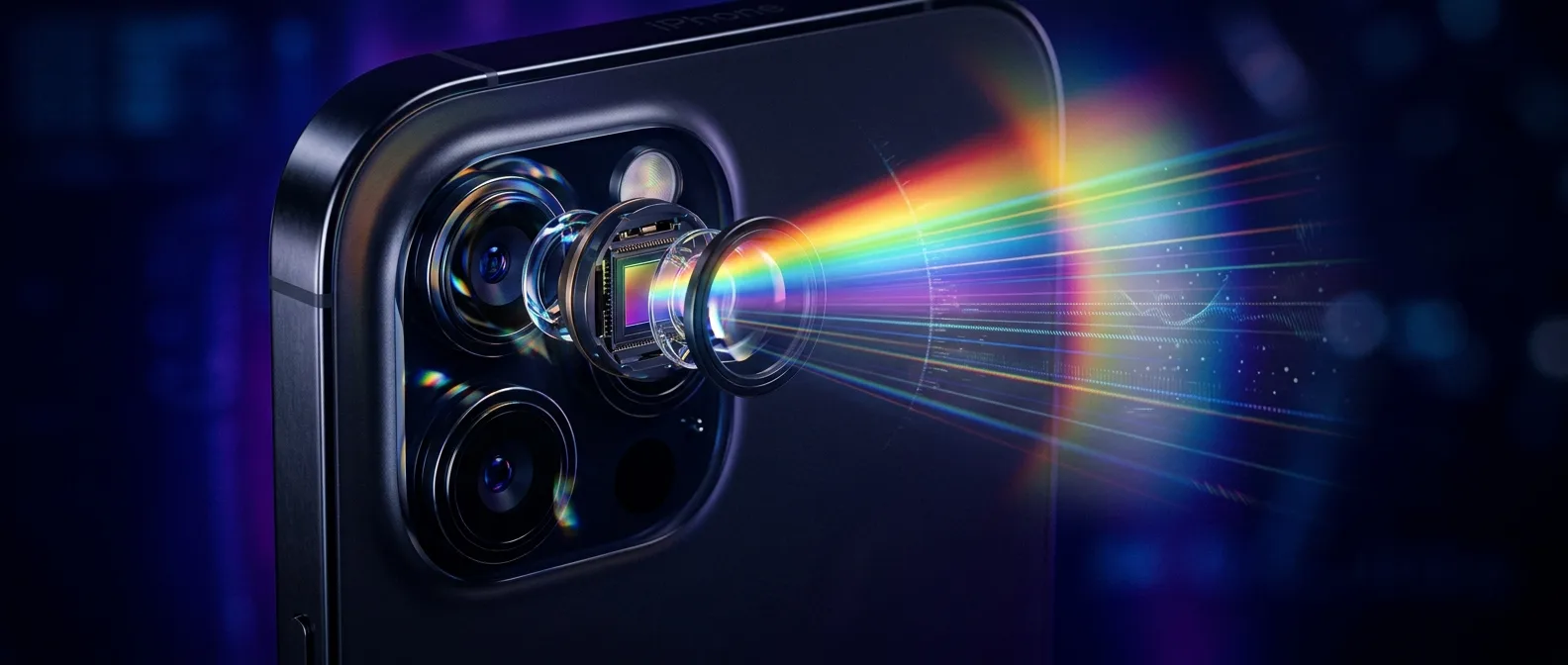
Multispectral imaging breaks free from traditional RGB sensors that only capture red, green, and blue light. Instead, it reads multiple wavelengths simultaneously, including near-infrared and other "invisible" frequencies that carry hidden information about materials, textures, and surfaces.
📖 Read more: iPhone 18 Pro: Periscope Camera with 10× Zoom
🔬 How Multispectral iPhone Cameras Work
Think CSI, but in your pocket. While standard smartphone cameras capture what you see, multispectral sensors analyze how different materials reflect light across various frequencies. Skin has a different spectral signature than fabric. Living plants differ from artificial ones. Metal surfaces create distinct patterns compared to painted wood.
This approach lets the iPhone camera distinguish information that's completely invisible to the human eye — from material composition to subtle surface variations that traditional sensors miss entirely.
According to leaker Digital Chat Station, Apple has begun reaching out to suppliers about components related to this technology. They haven't started official testing yet, which means we're still in the exploration phase rather than active development.
The Science Behind the Magic
Multispectral imaging analyzes how different materials reflect light at specific frequencies. Each substance creates a unique "fingerprint" across the electromagnetic spectrum. The iPhone camera would capture these signatures, then use computational photography to extract meaningful information.
The result? Portrait mode that actually understands where your subject ends and the background begins. Better image processing in mixed lighting conditions. Visual Intelligence that can identify objects with near-perfect accuracy instead of making educated guesses.
📖 Read more: iPhone 18 Pro: Variable Aperture Camera Changes Everything
📊 What Changes for iPhone Photography
If Apple implements multispectral technology, the benefits show up in everyday situations. Portrait photos with cleaner subject separation. Image quality that stays consistent whether you're shooting under office LEDs mixed with window light or pure outdoor sun.
But the real excitement lies in Visual Intelligence enhancement. Multispectral iPhone cameras would let your phone "understand" what it's looking at with surgical precision. Instead of guessing whether that green object is a plant or plastic that looks like a plant, it would know instantly.
The Technical Hurdles
Adding multispectral sensitivity isn't simple. You need more complex sensor designs, which drives up costs. There's also the space constraint inside the iPhone — every millimeter counts when you're trying to fit advanced camera systems into a device people want to carry comfortably.
These limitations explain why Apple is still evaluating the technology instead of testing it in prototypes. Based on current information, don't expect multispectral cameras in the iPhone 18 Pro or even the iPhone 19 Pro.
📖 Read more: iPhone vs DSLR 2026: Which Camera Actually Wins?
⚡ iPhone Camera Evolution Beyond Megapixels
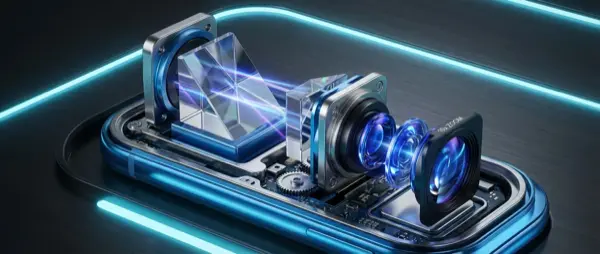
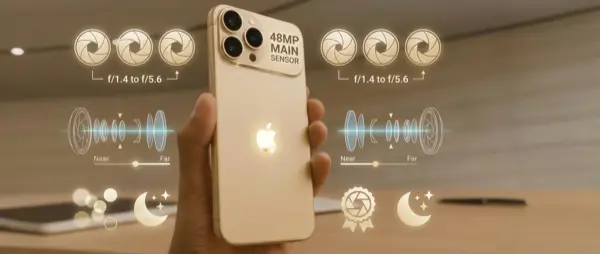
Alongside multispectral research, Apple is preparing other iPhone camera upgrades. Digital Chat Station reports the iPhone 18 Pro will feature variable aperture on the main camera — a capability also rumored for the Galaxy S26 Ultra.
Variable Aperture
Adaptive aperture that adjusts automatically based on lighting conditions
Improved Telephoto
Wider aperture on the telephoto lens for better low-light performance
Notably, Apple doesn't seem rushed to join the 200MP camera race. While competitors push pixel counts higher, Cupertino takes a more measured approach that prioritizes quality over impressive-sounding specifications.
Why Apple Isn't Racing for Megapixels
Apple's camera philosophy has always been "fewer but better." Instead of chasing specs that sound impressive in press releases, they invest in technologies that improve the daily user experience.
Multispectral imaging exemplifies this approach perfectly. It won't make your photos have more pixels, but it will make them smarter. More machine-readable. More naturally processed for human viewing.
📖 Read more: 10 iPhone Camera Tricks Nobody Knows About
🧬 Visual Intelligence Meets Multispectral Reality
The most exciting part isn't the technology itself, but how it integrates with Apple's Visual Intelligence ecosystem. Picture pointing your iPhone camera at a houseplant and learning not just what species it is, but whether it needs water — based on the spectral properties of its leaves.
"Multispectral technology will allow the iPhone to see information that's nearly invisible to traditional smartphone sensors."
PhoneArena Analysis
Or scanning produce at the grocery store and getting freshness information. Photographing documents under poor lighting and getting perfectly readable results. The applications extend far beyond traditional photography.
The Silent Revolution
What makes multispectral imaging particularly appealing for Apple is that it represents a "silent" improvement. Users don't need to understand what's happening in the background — their photos just get better.
Cleaner. More color-accurate. With improved subject recognition. With smarter processing in challenging lighting conditions. All without requiring users to learn new settings or techniques.
📖 Read more: Apple Intelligence: Complete Guide for Your iPhone
🎯 When We'll See the First Multispectral iPhone
Current estimates suggest the technology won't be ready before 2026 or later. Apple is known for taking its time with such innovations — they prefer to implement them correctly rather than quickly.
This careful approach makes sense. Adding multispectral capabilities without proper optimization could negatively impact battery life, processing speed, or even photo quality in traditional scenarios.
Until then, we'll see gradual improvements. Variable aperture in the iPhone 18 Pro will enhance flexibility across different lighting conditions. The improved telephoto aperture will deliver better low-light results.
The Competition's Strategy
While Apple explores multispectral territories, competitors focus on different directions. Chinese manufacturers push megapixel counts higher — 200MP sensors are becoming mainstream. Samsung experiments with variable apertures and AI-enhanced processing.
But Apple plays its own game. Just like they did with computational photography in previous iPhone generations, they target technologies that make a difference in actual use, not on spec sheets.
Will this approach ultimately win? Time will tell. But if multispectral technology is implemented correctly, it could represent the next major leap in smartphone photography — not through more pixels, but through smarter pixels that understand the world better than we do ourselves.
Sources: