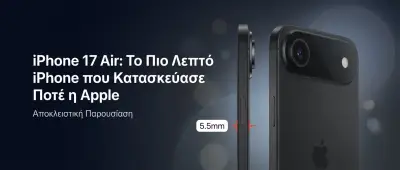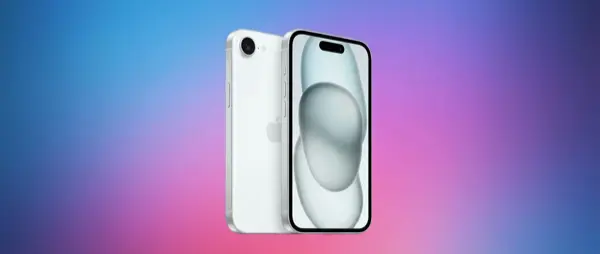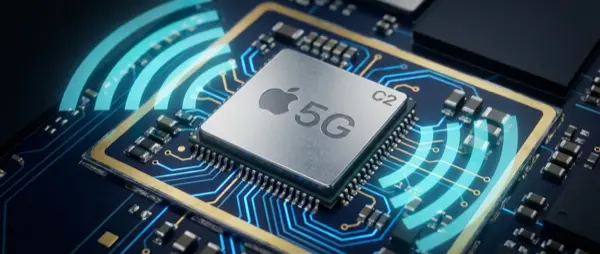


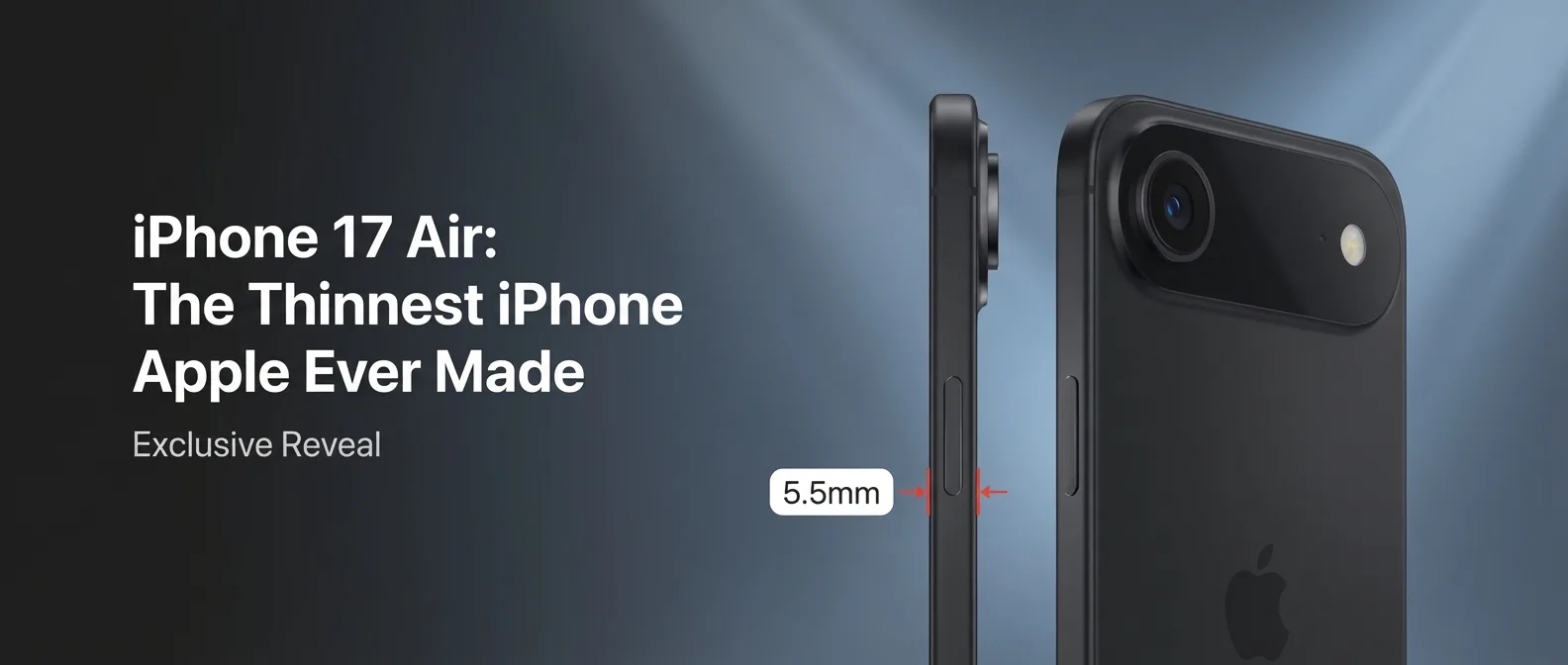
Apple has done what many thought was impossible. With the iPhone 17 Air, the Cupertino company introduces the thinnest smartphone it has ever built — and quite possibly the thinnest flagship smartphone on the market. At just 5.5mm thick, the new model is slimmer than even the 7th-generation iPod nano, ushering in a new era of mobile phone design.
But slimness comes at a price. In this in-depth article, we'll examine every aspect of the iPhone 17 Air: what it offers, what it sacrifices for the sake of thinness, how it compares to the competition, and most importantly — who this phone is made for and whether it's actually worth your money.
💡 Important: The iPhone 17 Air doesn't replace any existing model. It's an entirely new product line positioned between the iPhone 17 and the iPhone 17 Pro, targeting users who prioritize style and elegance over maximum specs.
📐 Design: How Apple Achieved 5.5mm
The first thing you notice when you pick up the iPhone 17 Air is how incredibly thin it is. And it's not just the feel — it's the visual impression. The phone looks almost two-dimensional, as if you're holding a card that somehow magically has a screen.
To achieve this feat, Apple had to rethink everything from the ground up. The company's engineers worked for three years on this project, codenamed “Feather.” The result is a phone that weighs just 145 grams — lighter than even the iPhone 13 mini.
The Materials That Made the Difference
Apple used a new titanium alloy called “Grade 5 Aerospace Titanium,” the same material used in space missions. This alloy is 40% more durable than stainless steel, yet 45% lighter. The back of the phone is made from second-generation Ceramic Shield — a material Apple says is the toughest glass ever used in a smartphone.
Internally, the company designed an entirely new motherboard using a technology it calls “3D Stacking.” Instead of placing components side by side, they're stacked vertically, saving precious space. This technology, previously used only in specialized data center chips, has been applied for the first time in a consumer product.
⚠️ What Apple Sacrifices for Slimness
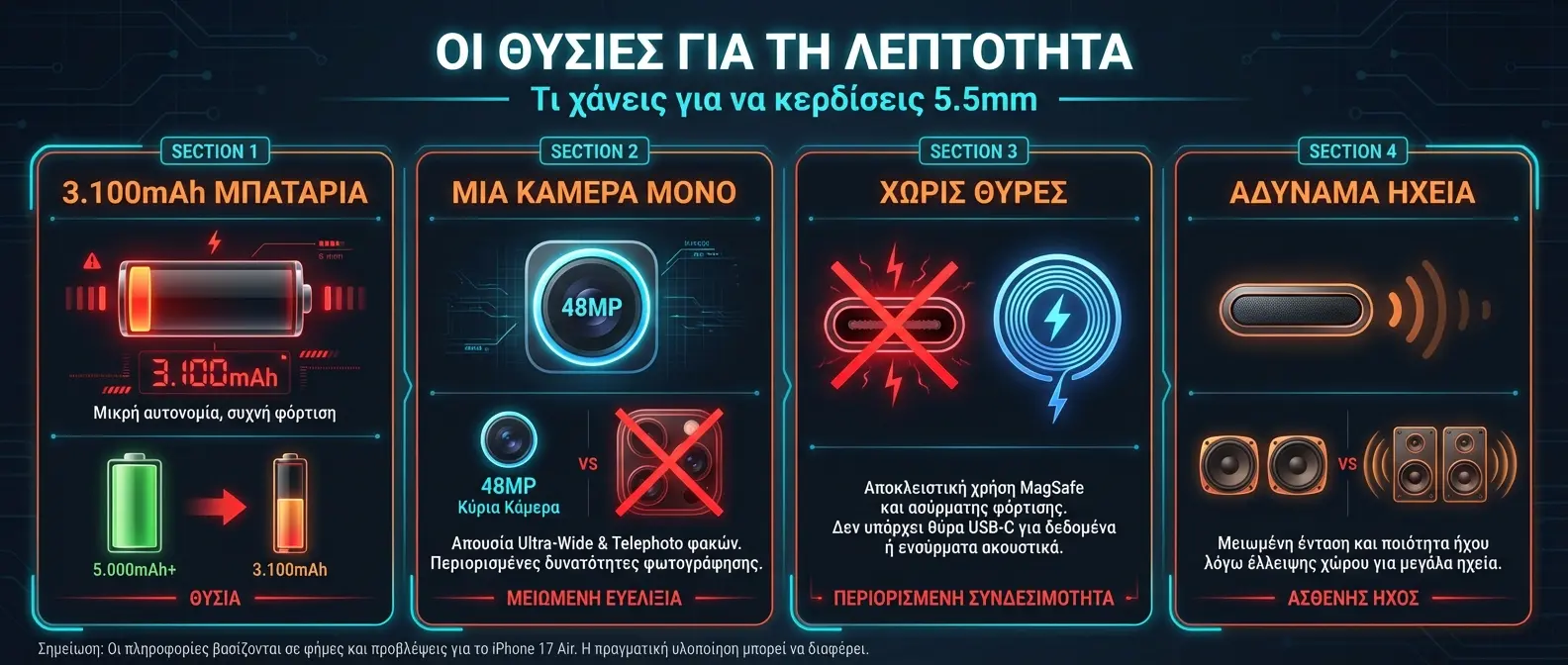
This is where things get tough. To achieve this incredible thinness, Apple was forced to make certain compromises. And they're not trivial. Let's go through them one by one, because these will determine whether the iPhone 17 Air is right for you or not.
1. Battery: The Biggest Sacrifice
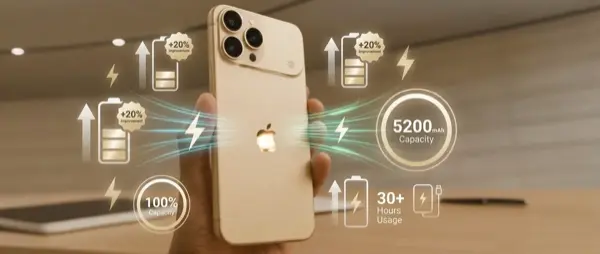
The iPhone 17 Air packs a battery of just 3,100mAh. For comparison, the iPhone 17 Pro Max has 4,852mAh. This translates to roughly 12-14 hours of screen-on time with moderate use, but if you're a power user, you'll definitely need a charger during the day.
2. Camera: A Single Sensor Only
For the first time since the iPhone 11, a flagship iPhone ships with only one camera. The iPhone 17 Air features a 48MP sensor with OIS, but no ultrawide, no telephoto lens, and no LiDAR. Apple claims computational photography makes up for the losses, but the truth is that for telephoto zoom you're relying entirely on digital crop.
On the other hand, the selfie camera is impressive: 12MP with autofocus and improved Center Stage. Apple seems to believe that Air users will be more interested in selfies and video calls than in serious photography.
3. Ports and Buttons
The iPhone 17 Air has no physical port. None at all. No USB-C, no Lightning. Charging is done exclusively wirelessly via MagSafe, and data transfer happens through AirDrop or iCloud. Apple says this enabled even better water resistance (IP69K) and freed up space for the speakers.
Additionally, the physical volume buttons have been replaced by haptic buttons — similar to those on the iPhone 15 Pro, but more refined. The power button remains physical, but it's so thin that it looks more like an etched line than a button.
4. Audio and Haptics
The stereo speakers on the iPhone 17 Air are noticeably weaker than those on the 17 Pro. Apple uses a new, more compact system that sacrifices volume for the sake of size. Similarly, the Taptic Engine is smaller, so the haptics — while still good — aren't as “rich” as on the Pro models.
💪 What It Still Offers
Don't think the iPhone 17 Air is a “downgraded” phone. In many areas, it's just as powerful as its siblings — and in some, even better.
The display is a 6.6-inch Super Retina XDR OLED with ProMotion (120Hz) and Always-On Display. Brightness reaches 2,000 nits for HDR content, making it exceptionally visible even in direct sunlight. The bezels are the thinnest Apple has ever used — just 1.5mm all around.
The Dynamic Island remains, but in a smaller size. Face ID is faster than ever thanks to an upgraded sensor that Apple calls “Face ID 2.0.” It supports recognition even with a mask or sunglasses on, and works from wider angles.
📊 Comparison with the Competition
How does the iPhone 17 Air compare to other flagship smartphones on the market? Let's look at the numbers:
| Feature | iPhone 17 Air | iPhone 17 Pro | Samsung S26 Ultra |
|---|---|---|---|
| Thickness | 5.5mm ✓ | 8.25mm | 8.6mm |
| Weight | 145g ✓ | 187g | 232g |
| Battery | 3.100mAh | 4.422mAh | 5.000mAh ✓ |
| Cameras | 1x 48MP | 3x (48+12+12) | 4x (200+12+10+50) ✓ |
| Display | 6.6″ 120Hz | 6.3″ 120Hz | 6.8″ 120Hz ✓ |
| Processor | A19 Pro | A19 Pro | Snapdragon 8 Gen 5 |
As you can see, the iPhone 17 Air wins convincingly in thickness and weight, but falls significantly short in battery life and camera capabilities. It's clearly a phone aimed at a specific audience — those who put design above everything else.
💰 Price and Availability
The iPhone 17 Air isn't cheap. In fact, it's more expensive than the standard iPhone 17, though cheaper than the Pro:
It's available in three storage capacities: 256GB (€1,199), 512GB (€1,399), and 1TB (€1,599). There's no 128GB version — Apple believes premium device users need more storage.
It comes in four colors: Starlight (light gold), Midnight (black), Silver (classic silver), and a new color Apple calls “Horizon” — a soft blue-gray that shifts shade depending on the lighting.
Pre-orders begin on January 24, 2026, with in-store availability on January 31. High demand is expected, especially for the Horizon and Starlight editions.
🎯 Who Is the iPhone 17 Air For?
Let's be clear: the iPhone 17 Air isn't for everyone. It's not for power users who want maximum battery life. It's not for photographers who need four cameras. It's not for those who charge with a cable because it's faster.
It's for a different category of users. It's for those who see their phone as an accessory — something that shows who you are. It's for minimalists who want to feel like they're carrying almost nothing in their pocket. It's for the fashion-forward who want the most elegant phone in the room.
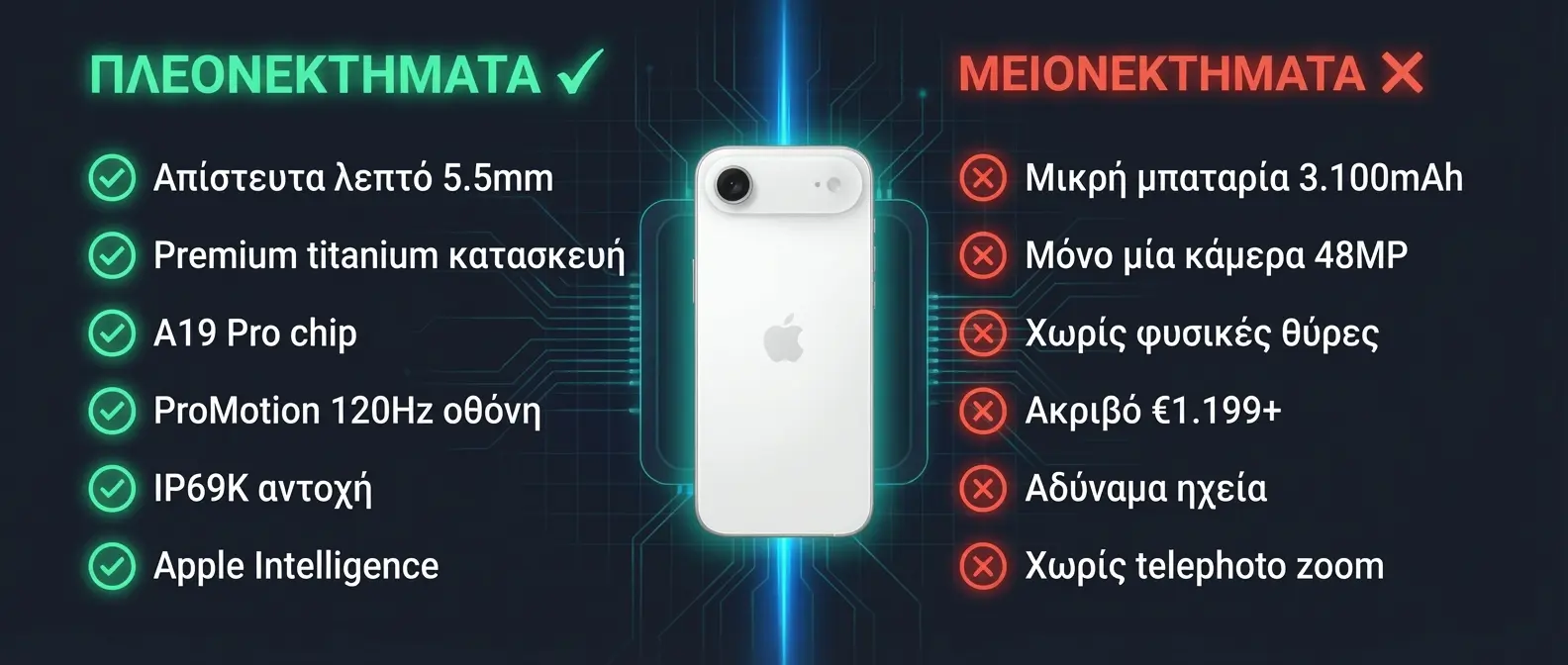
✅ Advantages
- ✓ Incredibly thin and lightweight
- ✓ Premium titanium build
- ✓ Same processor as the Pro
- ✓ Excellent display with ProMotion
- ✓ IP69K water resistance
- ✓ Full Apple Intelligence
❌ Disadvantages
- ✗ Small battery
- ✗ Only one camera
- ✗ No physical port
- ✗ Expensive for the specs
- ✗ Weak speakers
- ✗ No telephoto zoom
"The iPhone 17 Air is Apple's answer to a question nobody had asked: how thin can a phone get without losing its essence? The answer is: very thin — but with sacrifices."
🔮 What It Means for the Future
The iPhone 17 Air is more than just a new model. It's a statement. Apple is declaring that it can do things no one else can — and that it's willing to experiment with new product categories, even if that means compromises.
If the Air succeeds commercially, we expect to see competitors follow suit. Samsung is rumored to already be working on a “Galaxy S Ultra Slim,” and Xiaomi has already unveiled a concept thinner than 6mm. The race for thinness has begun.
However, there's also a question: do consumers actually want phones this thin? Or do they prefer battery life, cameras, and features? The answer will come from sales. And Apple, as always, is betting that it knows best.
📱 Final Verdict
The iPhone 17 Air is a bold, impressive, yet polarizing phone. If slimness and elegance are your priority, there's no better choice on the market. But if you want the maximum from a smartphone — battery, cameras, connectivity — the iPhone 17 Pro remains the better option.
Rating: 8.0/10 — Impressive engineering, but the sacrifices aren't for everyone.