

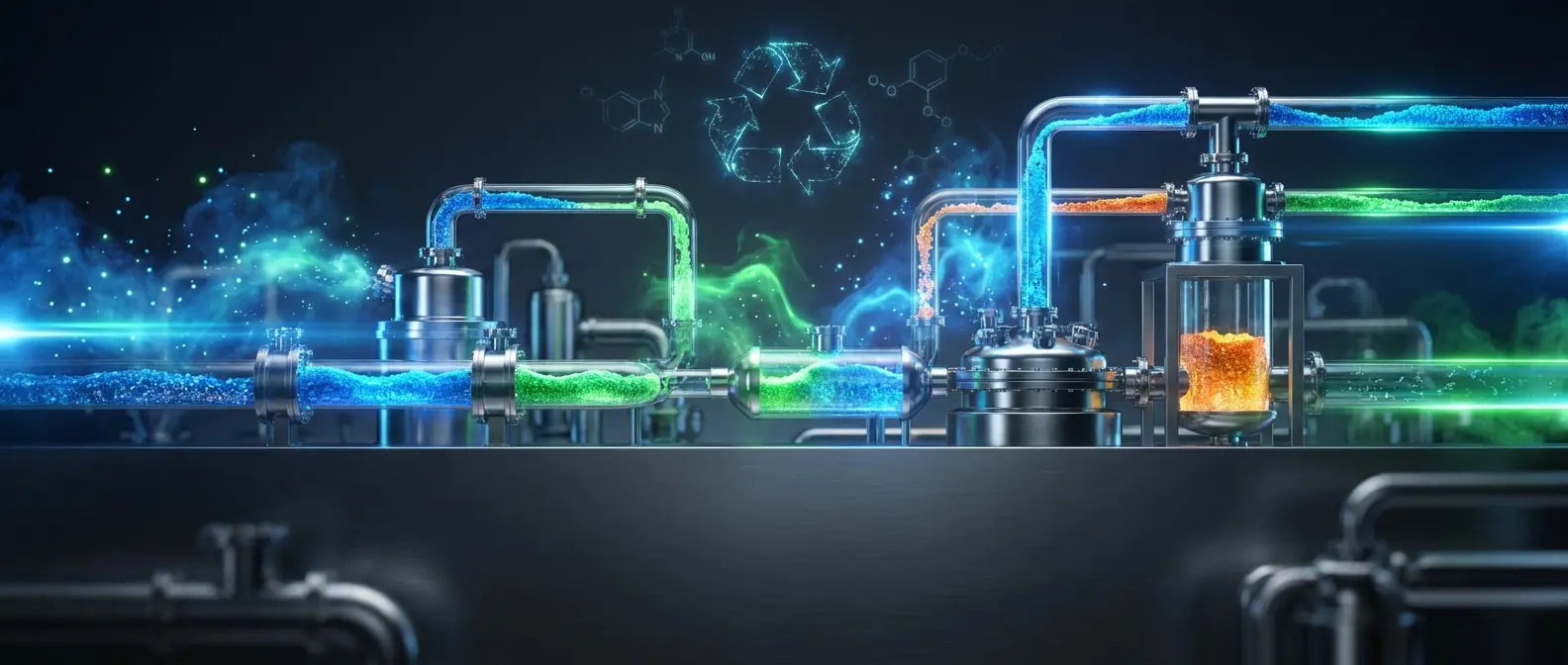
Mechanical plastic recycling has reached its limits. Only 9% of plastics worldwide are actually recycled, while the rest ends up in landfills or the oceans. The solution? Chemical recycling, a technology that promises to turn every type of plastic into raw material as good as new.
📖 Read more: Dark Web: Victim Found from Room Photo
💡 What is chemical recycling?
Unlike mechanical recycling (shredding, washing, remelting), chemical recycling breaks plastics down into their molecular components. This allows the creation of new plastic of the same quality as virgin material.
🔧 Mechanical Recycling
- Shredding and remelting
- Quality degrades with each cycle
- Cannot handle mixed/contaminated plastics
- 2-3 recycling cycles maximum
⚗️ Chemical Recycling
- Molecular breakdown (depolymerization)
- Produces virgin-quality raw material
- Accepts all types of plastic
- Theoretically infinite cycles
📌 The three main technologies
1. Pyrolysis
Heating plastics to 400-600°C without oxygen. Produces pyrolysis oil that can be used as fuel or as raw material for new plastics.
2. Glycolysis / Methanolysis
The use of chemical solvents to break down specific plastics (mainly PET). Ideal for bottles and food packaging.
3. Gasification
Converting plastics into synthesis gas (syngas) that can become fuel, chemicals, or even new plastic.

📖 Read more: Data Act in Practice: Who Will 'Own' Your Device Data?
💰 The EU invests billions
The European Union has set ambitious targets for the circular economy. By 2030, 55% of plastic packaging must be recycled. Chemical recycling is considered key to achieving these targets.
▶️ What this means for Greece
Greece, with a plastic recycling rate of around 30%, has significant room for improvement. Initial discussions about chemical recycling facilities have begun, with two potential locations:
Thriasio Plain
Near the refineries, with access to infrastructure and port facilities
Thessaloniki
Industrial zone with connections to the Balkans
📖 Read more: Deaflympics Tech: Technology for Deaf Athletes

🔎 Challenges that remain
- Energy consumption: Pyrolysis requires very high temperatures
- Cost: Still more expensive than producing virgin plastic
- Scale: Very few industrial-scale facilities worldwide
- Pollution: Some processes can emit pollutants if not properly controlled
🎯 Conclusion
Chemical recycling is not a magic solution to the plastic problem, but it is a vital tool for the circular economy. With the right investments, regulatory framework, and technological progress, it could turn waste into a resource — and help Europe achieve its environmental goals.
OnOff Team
The OnOff.gr team follows technological developments in environment and energy.