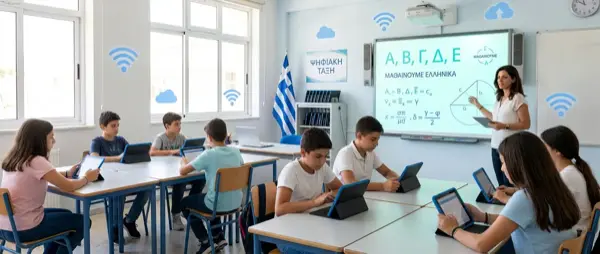


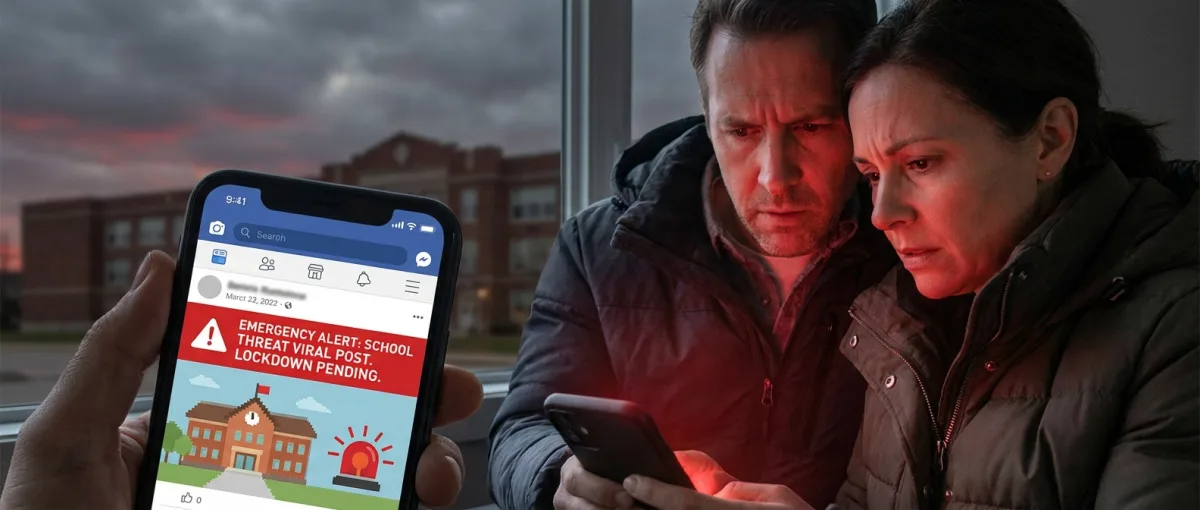
A viral post capturing a scene of school violence is shaking Greece and reopening the debate about bullying in the era of social media. How can a 30-second video change lives — and not always for the better?
📖 Read more: New Desalination Tech: Mediterranean's Water Solution 2026
📱 The Story Behind the Viral Post
In March 2026, a video from a school in Thessaloniki captured a scene of serious violence between students. The video was uploaded to TikTok, shared on Instagram, and reached 2 million views in 48 hours. Comments numbered in the thousands — many filled with hatred, vengeful positions, and incendiary rhetoric. Greek Police intervened.
The incident isn't unique. According to a University of Athens study, 34% of Greek teenagers say they've seen online videos of school violence, while 12% have uploaded or shared such content. The new reality: every school incident potentially goes viral.
🔥 Comments as Secondary Violence
The most alarming aspect wasn't the video itself, but the reaction. Thousands of comments identified — correctly or incorrectly — the students involved. Names, schools, even addresses were published. Families received threats. One child was forced to change schools. The comments became the second — and perhaps worse — form of violence.
📖 Read more: DAEDALUS: Greece's National Supercomputer Goes Live
Psychologists warn that “mob justice” on social media is devastating. Without context, without a court, without a hearing, minors find themselves targeted by millions. And the damage to their mental health can be permanent.

📊 What Experts Say
Child psychologists emphasize that children involved in viral violence incidents suffer traumatic stress equivalent to victims of public humiliation. The difference in the digital world is that the humiliation never ends — the video exists forever. They stress that even children who record or share such content need psychological support.
💡 Critical question: Should platforms automatically remove school violence videos? Or does that hide the problem? The answer isn't simple — but the current situation, where minors are exposed to millions, clearly isn't working.
📖 Read more: E-Invoicing: What Changes for Businesses in Greece in 2026
🔒 What Other Countries Are Doing
Australia passed a law banning social media for minors under 16. France has a special unit for removing school bullying content. Finland implements the KiVa program in every school, which now includes digital bullying. Greece is just beginning to move — the Ministry of Education's “School without Violence” platform launched as a pilot in January.
The solution isn't only legislative. Experts emphasize the importance of digital literacy — children need to learn what it means to upload violence, what consequences it has for victims, and what legal responsibility even minors bear when sharing such material.
🌍 A Global Pattern
School violence going viral isn't unique to Greece. In the US, UK, and France, similar incidents regularly dominate social media. The pattern is consistent: an incident is filmed, uploaded, goes viral, the comment section becomes toxic, identities are exposed, and real-world consequences follow. What differs is how each society responds — and Greece is only now building its response framework.