

Vodafone is joining forces with Amazon Kuiper for satellite internet across Europe. The deal changes the rules of telecommunications and promises coverage in areas that until now had no access to fast internet. How does this affect the European connectivity landscape?
📖 Read more: Privacy Browsers: Life Without Cookies
🛰️ The Vodafone-Amazon Deal
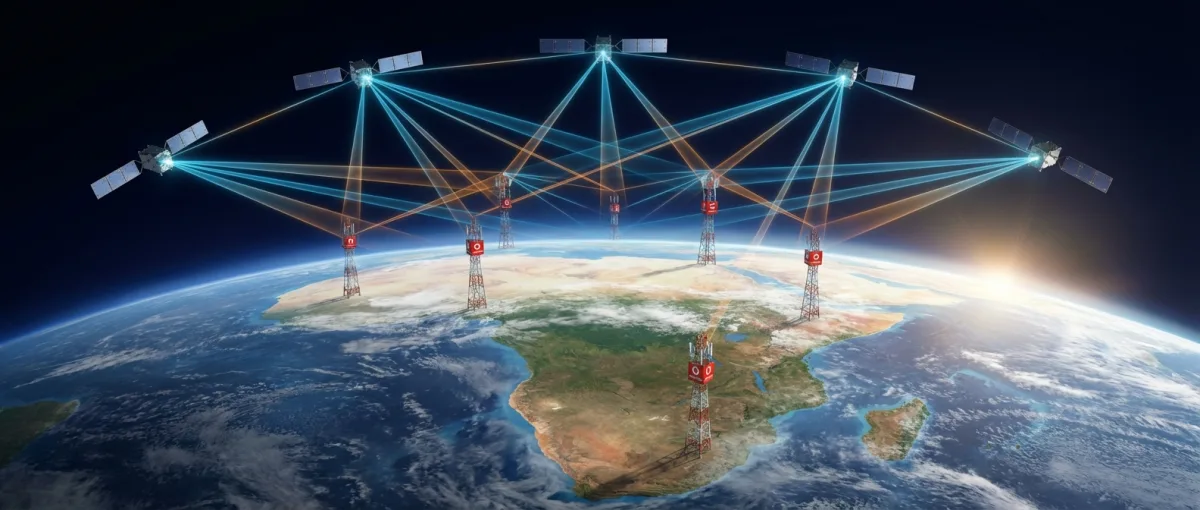
Vodafone announced in March 2026 a strategic agreement with Amazon's Project Kuiper for satellite internet provision across 15 European markets. The service will launch as a pilot in September 2026 in rural areas of the UK, Spain, and Greece, with full commercial coverage by mid-2027.
The deal isn't just about consumer satellite internet. It includes enterprise-grade connectivity for farmers, shipping companies, and IoT applications in remote areas. Vodafone will integrate Kuiper connectivity into existing packages, making it seamless for end users.
📖 Read more: Russia AI Propaganda: Fake Videos 2026
⚔️ The Battle with Competitors
Vodafone's move is a direct response to SpaceX's Starlink, already operating in Europe. While Starlink targets individual consumers, Vodafone-Kuiper aims at the enterprise market. The key difference: Kuiper integrates into Vodafone's existing network, meaning users don't need separate dishes or equipment in many cases.
Competition is intensifying. Deutsche Telekom is partnering with Starlink, Orange is exploring OneWeb, while Telecom Italia entered discussions with SpaceX. Europe is becoming a satellite internet battleground — and the ultimate winner will be the consumer.
📖 Read more: SEPA Instant: The New Standard for Money Transfers

🌍 What This Means for Rural Europe
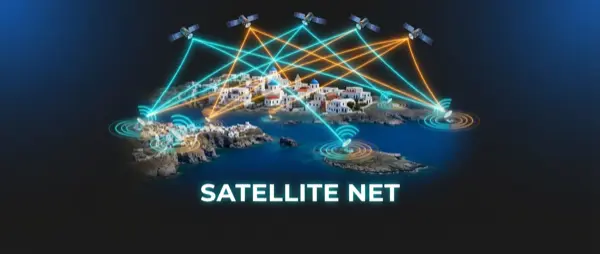
Greece is one of three pilot countries, and that's no coincidence. Its geography — islands, mountainous regions, sparse population — is ideal for satellite solutions. Today, many areas in the Aegean and mainland Greece lack fixed internet above 10 Mbps. Kuiper promises speeds up to 400 Mbps everywhere.
📖 Read more: Smart City: Flood Detection Sensors
For tourism, this is a game-changer. Hotels and accommodations on small islands can finally offer reliable WiFi. Remote working from an island becomes reality. And digital rural development gains the basic infrastructure it needs.
💡 Worth noting: Pricing will be decisive. Starlink costs ~€40/month in Europe. Vodafone is expected to integrate satellite service into mobile packages for an additional €20, making it more accessible to the average consumer.
🔮 What Comes Next
The convergence of 5G and satellite internet is the ultimate goal. Vodafone is working on hybrid terminals that automatically switch between cell towers and satellites depending on availability. By 2028, the company aims for complete coverage with no “dead zones” across all of Europe — even in maritime areas.