

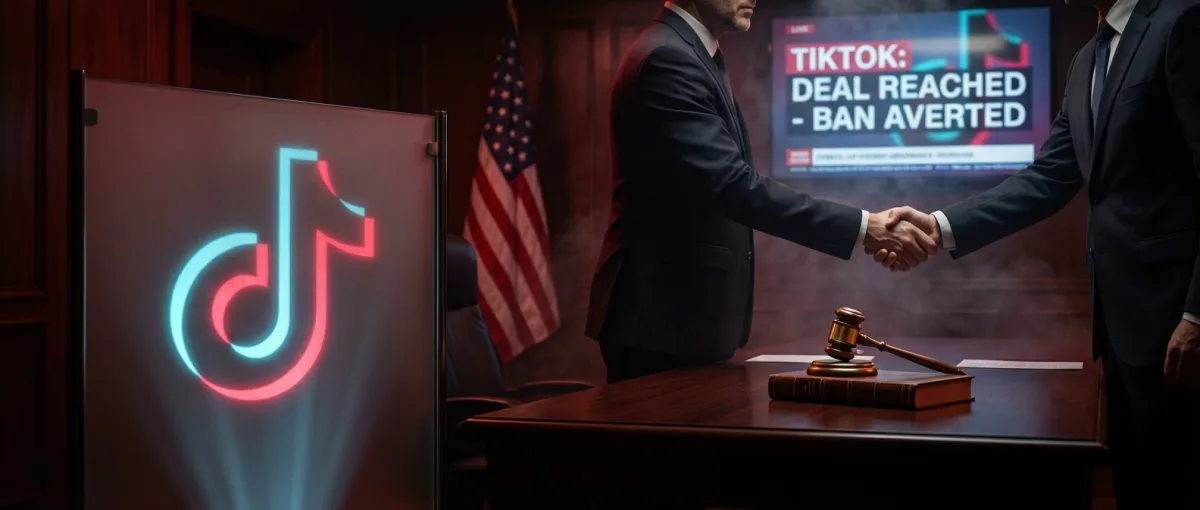
After months of uncertainty, TikTok found a way to remain active in the US. The solution was neither a ban nor a full sale — but something in between that satisfied (almost) everyone.
📖 Read more: Australia AI Law: App Store Crackdown
📜 The Story So Far
The law passed in April 2024 gave ByteDance (TikTok's Chinese parent company) 9 months: sell the US operations or leave. The goal: national security. The fear that the Chinese government could access data of 170 million Americans. ByteDance refused a full sale, the second Trump administration showed a more flexible stance, and negotiations began.
🤝 The Solution
The final deal includes: a US consortium (Oracle, General Atlantic, and a group of US investors) acquires a minority stake in TikTok US. ByteDance retains the recommendation algorithm but American user data is stored exclusively on Oracle servers (partially underway as “Project Texas”). An independent committee audits the algorithm's code.
📖 Read more: From 4 Computers to 6 Billion Users: 57-Year Internet History

📖 Read more: UK Bans Social Media for Under 16s
🌍 What This Means
The deal creates precedent. If a foreign tech company is deemed a threat, the solution isn't a ban anymore — it's forced partnership. This opens the door for similar deals with other Chinese platforms (Shein, Temu, WeChat). Europe is watching closely: if the EU follows similar logic, we'll see analogous “data assurance” deals on European soil.
📱 For Users
Practically? Nothing changes. TikTok works normally, the algorithm stays the same (theoretically), and the user experience isn't affected. The only thing you might notice: more transparency reports and a small “US Data Protected” badge somewhere in the app. The real battle isn't about you as a user — it's about geopolitics, data, and who controls what.
📖 Read more: Meta AI: Accounts After Your Death