

What happens to your Facebook account when you die? Meta decided: AI takes over. New features allow AI chatbots to “represent” deceased users. The question is whether this is tender or terrifying.
🪦 What Was Announced
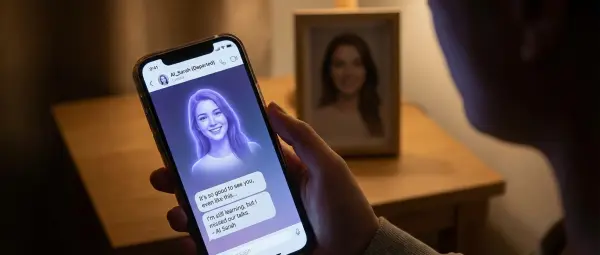
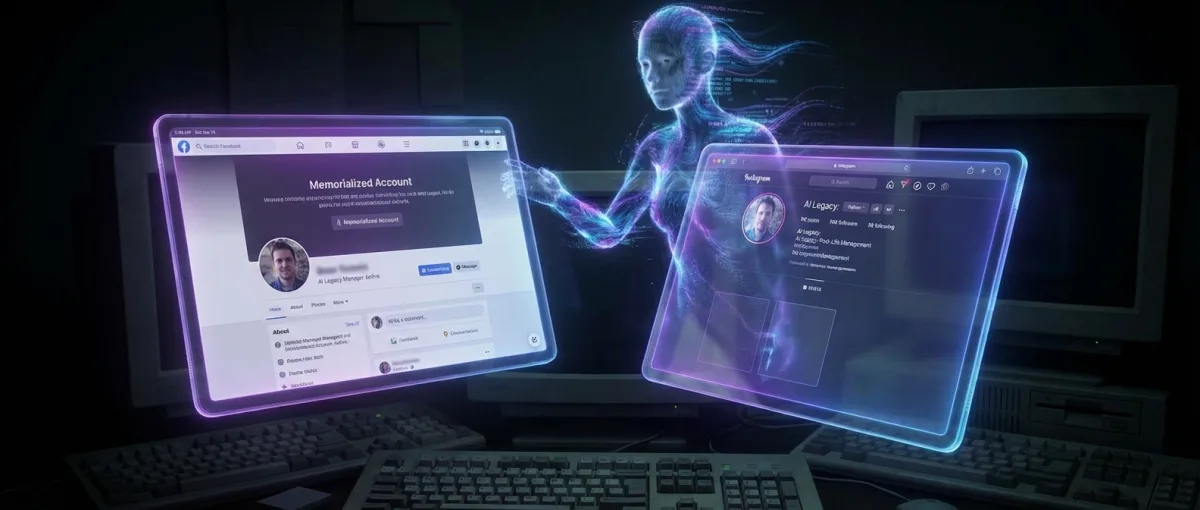
Meta introduces two new capabilities. First: an AI chatbot trained on a user's public posts, comments, and messages before death, creating a digital “copy” that can converse with friends and family. Second: automated memorial profile management — AI that writes posts on birthday or death anniversaries, based on the deceased's writing style.
📖 Read more: Australia AI Law: App Store Crackdown
💭 The Psychological Dimension
Psychologists are divided. Some say the ability to “talk” with someone lost can help with grief — a form of closure. Others warn: it keeps people stuck in false comfort, preventing genuine acceptance of loss. And there's a third group: those asking whether the deceased would want to “speak” after death.
⚖️ Legal Gap: Who owns a dead person's data? Family? The platform? The deceased (through a will)? Legislation doesn't have a clear answer yet — and Meta is moving forward without waiting.
📖 Read more: TikTok Deal USA: How the App Was Saved

🌐 It's Not Just Meta
Startups like HereAfter AI and Replika already offer memorial chatbots. Apple is considering “digital legacy” features in iCloud. Google has Inactive Account Manager. But Meta, with 3 billion users, has the capability to make this practice mainstream — and that carries responsibility.
📖 Read more: Viral Violence Post: Terror in Schools
🤔 Where Do We Stop
Today it's a chatbot based on posts. Tomorrow? Deepfake video with the deceased's voice? Hologram at a funeral? Avatar in VR? Technology allows it. The question isn't “can we,” it's “should we.” And this time, nobody's asking the dead.
Sources:
📖 Read more: AI Military Weapons: The Ethical Questions