

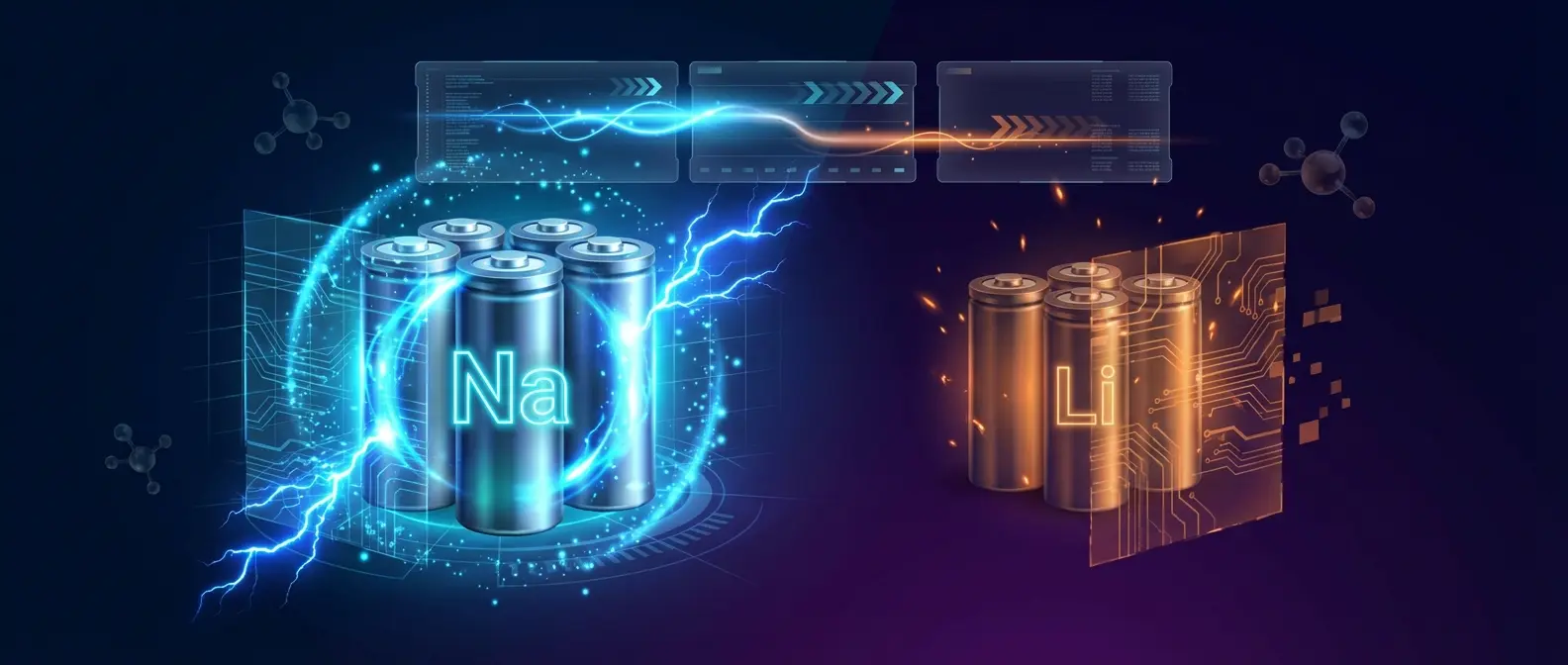
For decades, lithium-ion batteries dominated the world of energy storage. From smartphones to electric vehicles, lithium was the undisputed king. But in 2026, a new contender is rising fast: sodium-ion (Na-ion) batteries. Cheaper, more sustainable, free from lithium's geopolitical issues — and Europe is investing billions to lead the charge.
📖 Read more: Battery That Lasts 50 Years: Never Charge Again
🔬 Why sodium? The chemistry behind the revolution
Sodium (Na) sits right below lithium (Li) on the periodic table. They share similar chemistry, but have vast differences in availability. Lithium is rare — found mainly in Chile, Argentina, Australia, and China. Its extraction requires enormous amounts of water and creates environmental problems. Prices have surged 400% over the past five years.
Sodium? It's everywhere. 2.6% of Earth's crust is sodium — it's in the sea, in salt, in mines on every continent. Its price is 30 times lower than lithium. And its extraction doesn't require the massive water reserves consumed by lithium production in the deserts of South America.
30x
Sodium is cheaper
2,6%
Of Earth's crust
0€
Geopolitical cost
⚡ The breakthroughs of 2026
For years, the major drawback of sodium-ion batteries was their lower energy density. Simply put, for the same capacity, you needed a larger and heavier battery. This made them unsuitable for smartphones and electric cars, where every gram counts.
In 2026, two major breakthroughs changed the game. First, China's CATL unveiled third-generation Na-ion batteries with an energy density of 200 Wh/kg — nearly matching early Tesla lithium batteries. Second, Sweden's Northvolt announced a new Prussian Blue cathode enabling 3,000+ charge cycles without significant degradation.
🏭 The major players
CATL (China): The world's largest battery manufacturer. Already producing Na-ion for electric scooters and small EVs. Target: 100 GWh annual production by 2028.
Northvolt (Sweden): Europe's great hope. Na-ion factory in Sweden with production starting in 2027. €2.3 billion EU funding.
BYD (China): Second-largest EV producer. Dual strategy with lithium AND sodium.

🔋 Where we'll see them first
Sodium-ion batteries won't replace lithium-ion in every application — at least not yet. Your smartphone will still use lithium, because weight matters there. But there are sectors where sodium is already the better solution.
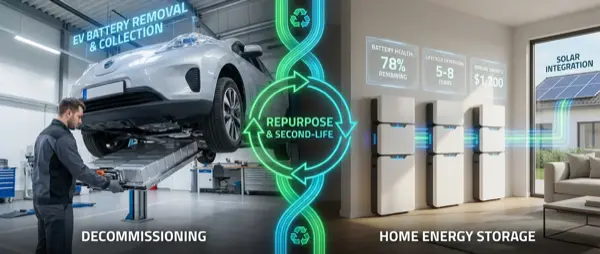
🏠 Home storage
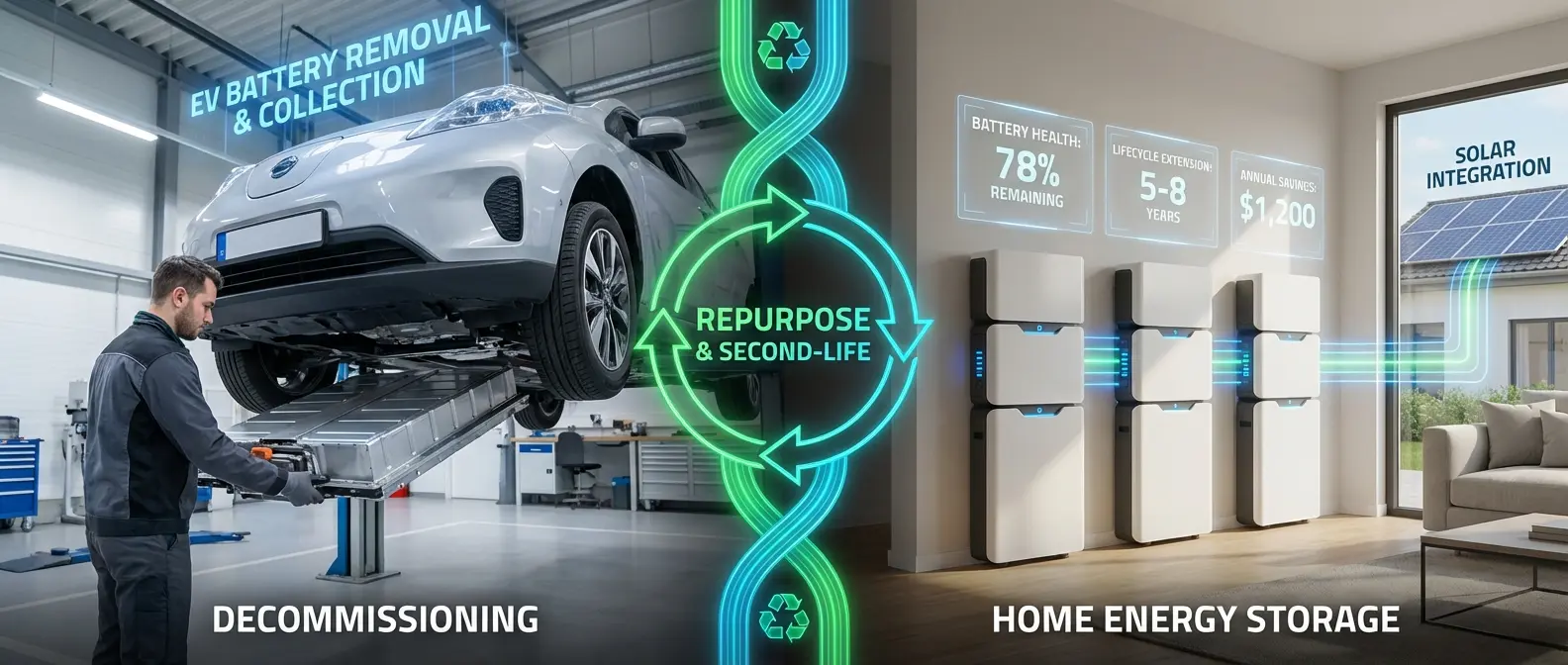
Powerwall competitors at half the price. Ideal for pairing with solar panels. Tesla announced Powerwall 4 with a Na-ion option.
⚡ Grid storage
Large-scale storage systems for grid stabilization. Where weight doesn't matter and cost per kWh is what counts.
🛵 Light EVs
Electric bicycles, scooters, small urban EVs. CATL is already equipping Yadea scooters in China with Na-ion.
The big opportunity lies in grid-scale energy storage. As renewable sources grow, the need for storage is skyrocketing. Europe needs 200 GWh of storage by 2030 — with lithium, that would cost €150 billion. With sodium? Under €80 billion.
🇬🇷 What it means for Greece
Greece has no lithium, but it has abundant sodium. The country's salt flats, seawater, and even the salt deposits in Northern Greece suddenly become strategic resources. Hellenic Salt is already exploring partnerships with European battery manufacturers.
☀️ Solar PV + Na-ion
Cheaper storage = more viable home solar panels
🏝️ Island energy independence
Sodium-ion batteries for self-sufficient islands without subsea cables
🏭 Industrial opportunity
Potential Na-ion factory in Northern Greece
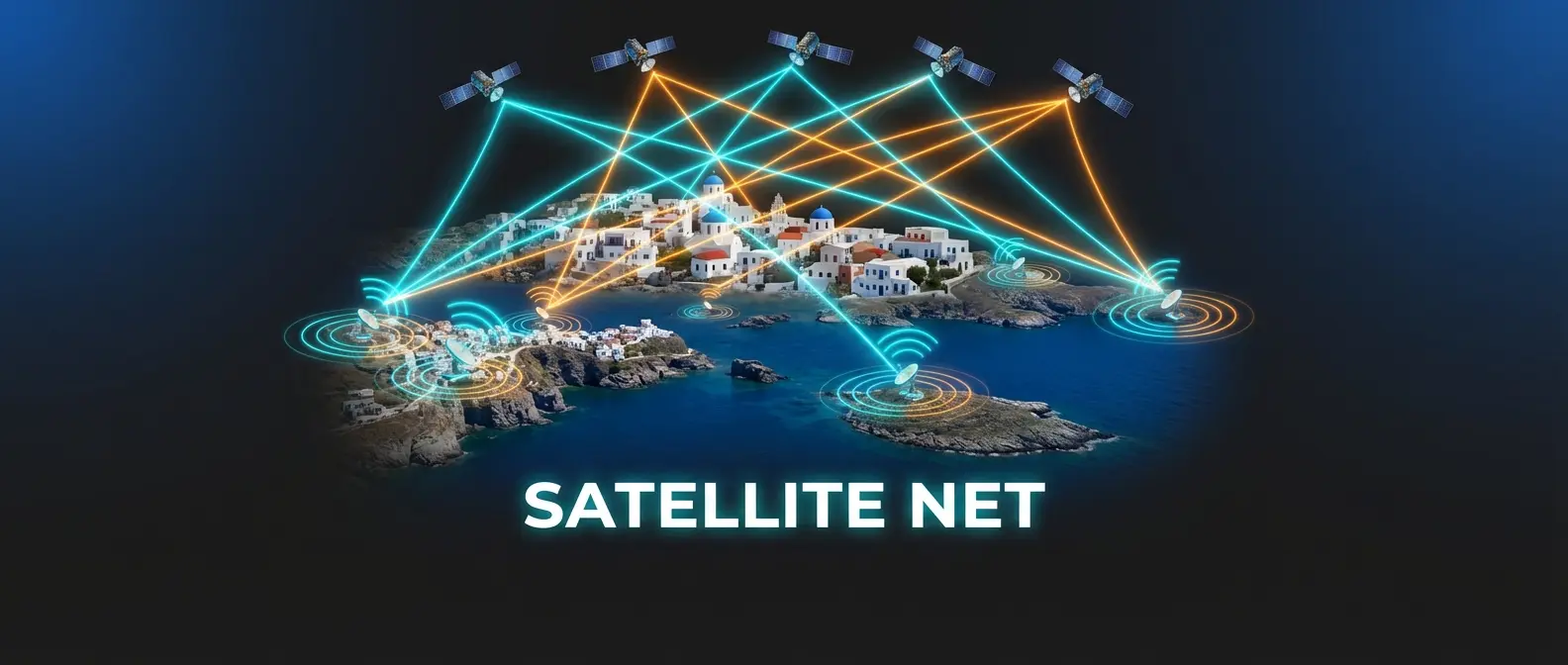
CRES (Centre for Renewable Energy Sources) has already launched a pilot program with Na-ion batteries on three Aegean islands. The goal is full energy independence without reliance on diesel generators or costly subsea cables. The results so far? Impressive — a 40% cost reduction compared to lithium solutions.
🔮 The future: Sodium or lithium?
The answer is: both. Lithium will remain the choice for high energy density applications — long-range electric cars, premium smartphones, aviation. But for large-scale energy storage, home batteries, and affordable EVs, sodium will dominate.
Bloomberg NEF analysts predict that by 2030, 30% of global energy storage will use sodium-ion batteries. That represents a $50 billion market that didn't exist ten years ago. With Northvolt and European programs, Europe has the opportunity to lead — instead of importing everything from China.