

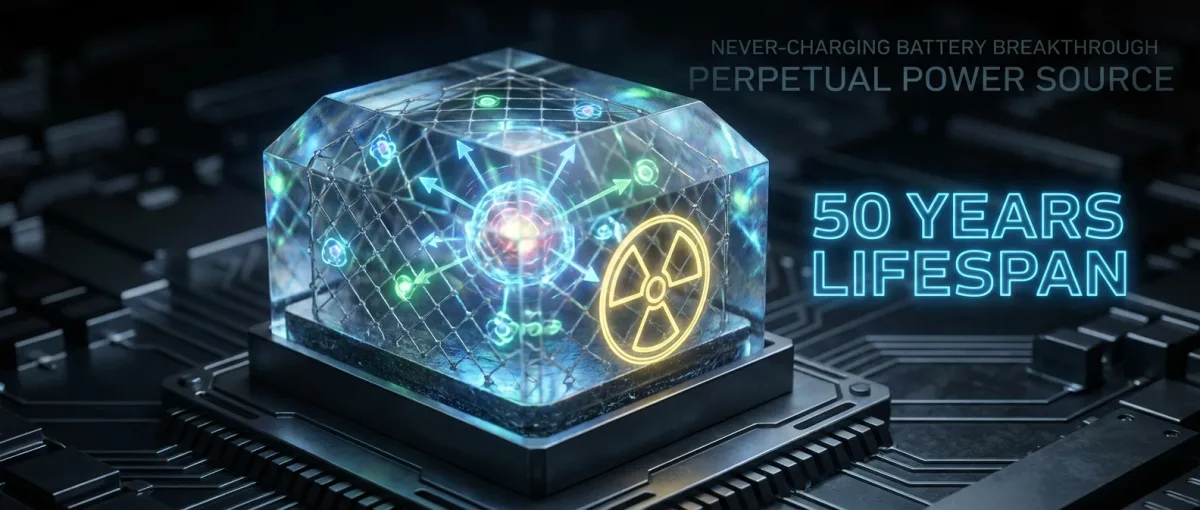
A Chinese company unveiled a coin-sized nuclear battery that lasts 50 years without charging. The Betavolt BV100 uses radioactive decay of nickel-63 to steadily produce electricity. Can a battery really never need charging?
⚛️ How It Works
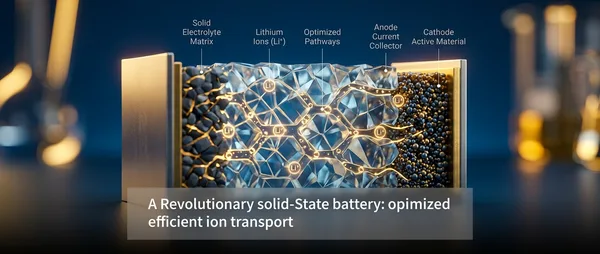
The BV100 isn't a battery in the traditional sense — it's a miniature nuclear generator. It uses beta radiation from nickel-63 (Ni-63) radioisotope hitting a diamond semiconductor, converting kinetic energy into electric current. Ni-63 has a half-life of 100 years, meaning the battery operates 50+ years before output drops to half.
Beta radiation is extremely weak — it's stopped by a sheet of paper. The battery emits no dangerous radiation and is safe even if broken. There's no risk of radioactive contamination or thermal reaction.
⚠️ The Big “But”
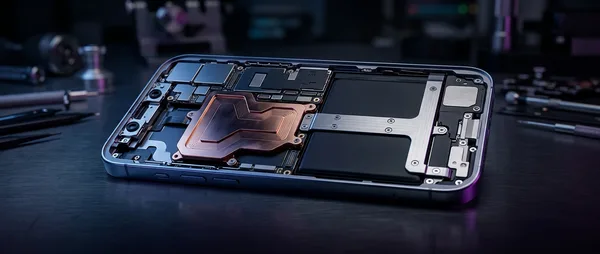
Enthusiasm needs tempering. The BV100 produces 100 microwatts — enough for IoT sensors, pacemakers, and small electronics, but entirely insufficient for a smartphone (needs 5-10 watts). For comparison: an iPhone battery produces 50,000 times more power.
In other words: you'll never charge your pacemaker or fire sensor, but you'll keep charging your phone nightly. Betavolt says it targets 1 watt by 2030 — still too little for smartphones but enough for wearables.

🏥 Real Applications
Medicine is the most promising application. Pacemakers that never need surgical battery replacement (currently done every 7-10 years). Insulin implants, neurostimulators, cochlear implants — all could be powered for decades without intervention.
💡 Reality check: The nuclear battery doesn't replace lithium — it complements it. Think of it as an “eternal trickle charger” for ultra-low power devices. The real revolution comes when (if) output reaches useful levels.
🌍 Geopolitics and Security
The military is very interested: border surveillance sensors, underwater drones, satellites — all need long-lived power without maintenance. DARPA has researched similar technology for years. China's Betavolt appears to be winning the race — something that concerns the West.