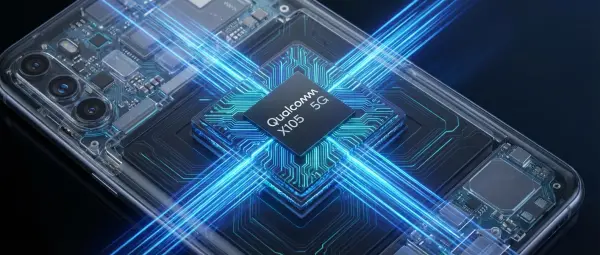


The next generation of smartphones, tablets, and wearables promises something that until recently seemed impossible: displays more durable than ever, without adding weight. In 2026, new materials and manufacturing techniques are radically changing how displays are designed, revolutionizing the durability and ergonomics of our devices.
📖 Read more: Micro-LED Makes a Strong Comeback in 2026: Revolutionary
🔍 The Eternal Dilemma: Durability vs Weight
For decades, manufacturers faced a seemingly unsolvable problem: to make a display more durable, you had to add material—and therefore weight. Thick glass could withstand impacts, but smartphones became unwieldy. Thin glass was sleek but fragile.
📊 Breakage Statistics
67%
of users have cracked a phone screen at least once
💰 Repair Cost
€180-450
average cost of flagship screen replacement
⏰ Wait Time
3-7 days
average repair time for a broken screen
📖 Read more: USB-C Laptops Mandatory from 2026 — EU's New Charging Rule
🧪 The Revolutionary Materials of 2026
Three key material technologies have matured enough for mass production, promising to change the landscape:
1. Ceramic Shield 3.0 - Ceramic Nanocrystals
The third generation of Corning's Ceramic Shield technology embeds ceramic nanocrystals in a glass matrix. The result is a material that combines the transparency of glass with the hardness of ceramic.
- 4x drop resistance compared to conventional glass
- 9H scratch resistance on the Mohs scale
- 10% thinner than the previous generation
2. Ultra Thin Glass (UTG) 2nd Generation
Samsung SDI unveiled the evolution of Ultra Thin Glass used in foldables. The new UTG 2.0 is just 30 micrometers thick—thinner than a human hair—yet withstands 500,000+ folds.
- Flexibility down to a 5mm bend radius
- Resistance to temperature variations from -40°C to +85°C
- Optical clarity >95%
3. Sapphire-Composite Hybrid
Apple and GT Advanced Technologies developed a sapphire-glass hybrid material that retains the hardness of sapphire but at a cost and weight close to conventional glass.
- Hardness of 9 Mohs (second only to diamond)
- 70% cost reduction compared to pure sapphire
- Weight comparable to Gorilla Glass

⚙️ The “Trick” That Changed Everything
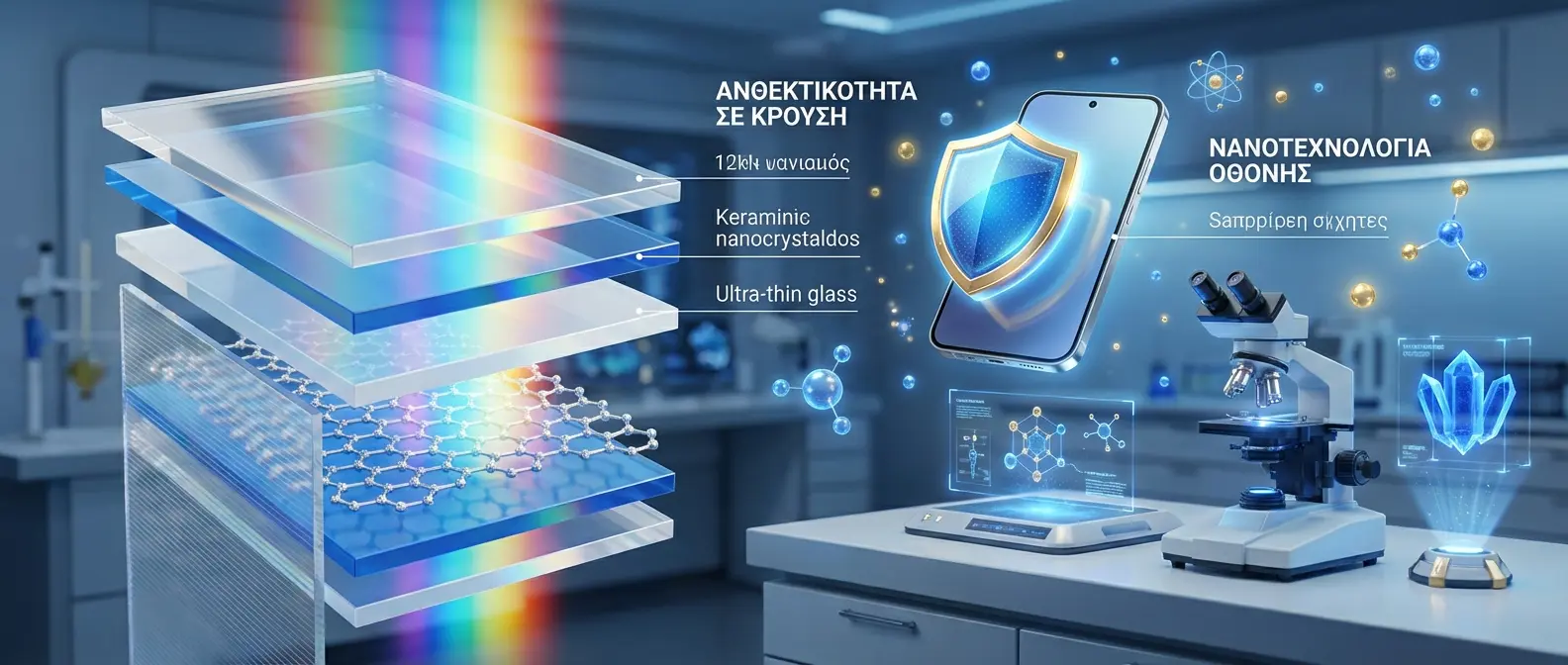
The revolution didn't come solely from new materials, but from a shift in structural philosophy for screens. Instead of one thick protective layer, the new displays use multiple thin layers that "work together":
📖 Read more: LEGO Smart Brick: Technology Inside the Bricks
📚 The “Multi-Layer Defense” Structure
Holds pieces together in case of breakage
Primary impact protection
Flex and pressure resistance
Anti-fingerprint properties
Total thickness: ~153μm (0.15mm) - 40% thinner than before
📊 Comparison: 2024 vs 2026
| Feature | 2024 | 2026 |
|---|---|---|
| Protective layer thickness | 0.4-0.5mm | 0.15mm |
| Drop resistance (1.5m) | 80% survival | 95% survival |
| Glass weight (6.7″) | ~28g | ~17g |
| Scratches (keys) | Minor | None |
| Additional device cost | - | +€20-40 |

📖 Read more: Rising Tech Prices: What's Driving Up Laptop and Component Costs in 2026
📱 First Devices with New Materials
🍎 iPhone 18 Pro
Sapphire-Composite Hybrid across the entire front surface, with 10g less weight than the 17 Pro.
September 2026📱 Samsung Galaxy Z Fold 7
UTG 2.0 on the inner display with zero crease and noticeably reduced weight.
February 2026⌚ Apple Watch Ultra 3
Full sapphire crystal with a new processing method that reduces weight by 25%.
September 2026💻 iPad Pro M4
Ceramic Shield 3.0 on tandem OLED, with a 5.1mm thick display—the thinnest ever.
March 2026🇬🇷 What It Means for Consumers
✅ The Positives
- Fewer cracked screens = lower repair costs
- Lighter devices = better ergonomics
- Longer device lifespan
- Less electronic waste
⚠️ Things to Watch
- Initially available only in flagship devices
- Slight price increase (+€20-40)
- Repair remains expensive if needed
Tip: If you're planning to buy a flagship device in 2026, it's worth waiting for the models with the new materials. The extra investment of €20-40 pays for itself quickly if you avoid even one screen repair.
📖 Read more: Foldable Phones Under €500: Mainstream 2026
🔮 What Comes Next?
Research doesn't stop here. Scientists are working on even more impressive technologies:
- Self-healing glass: Glass that “heals” micro-scratches on its own using heat or UV light.
- Diamond-like carbon (DLC): A coating with hardness close to diamond.
- Graphene composite: Materials with graphene for incredible durability in minimal thickness.
💡 The Takeaway
2026 marks a significant turning point in display technology. For the first time, manufacturers have managed to solve the eternal durability-weight dilemma without compromises. The new devices will be simultaneously lighter and more durable—a combination that until recently seemed impossible.